

Laterite has exceptionally high thermal mass — it absorbs heat during the day and releases it slowly in the evening, naturally moderating the indoor temperature of buildings. In Bangalore’s increasingly hot urban climate, laterite walls can reduce the demand for air conditioning in ground-level spaces — a practical energy benefit alongside its aesthetic and ecological value.

Traditional South Indian homes prized laterite floors and walls because the stone remains naturally cooler than the surrounding air during the day. Laterite’s thermal properties — the result of its iron oxide and aluminium oxide composition — make it one of the few natural building materials that actively contributes to indoor thermal comfort.

Laterite is quarried from surface rock outcrops with minimal excavation equipment. It requires no kiln firing, no chemical processing, no synthetic binders, and no artificial coatings. It is 100% natural from quarry to wall — one of the most ecologically responsible building materials available. For IGBC green-rated buildings in Bangalore, laterite is a favoured material for its low embodied energy and local sourcing.

The porous, iron-rich structure of laterite provides natural sound absorption — laterite walls have better acoustic performance than polished stone or ceramic surfaces. This property makes laterite particularly valuable for residential spaces where acoustic comfort is important.

Unlike many natural stones that fade under Bangalore’s sun, laterite’s iron oxide colouration is inherently UV-stable. Over time, the stone develops a beautiful natural patina — deepening slightly in tone and developing a weathered character that increases rather than diminishes its aesthetic appeal.
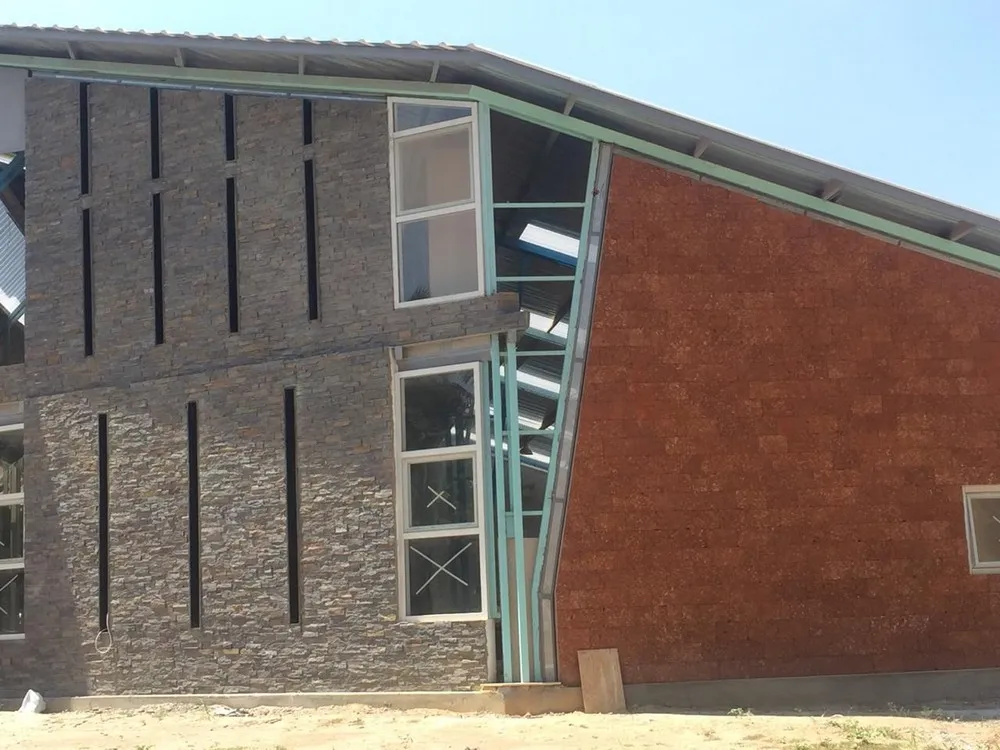
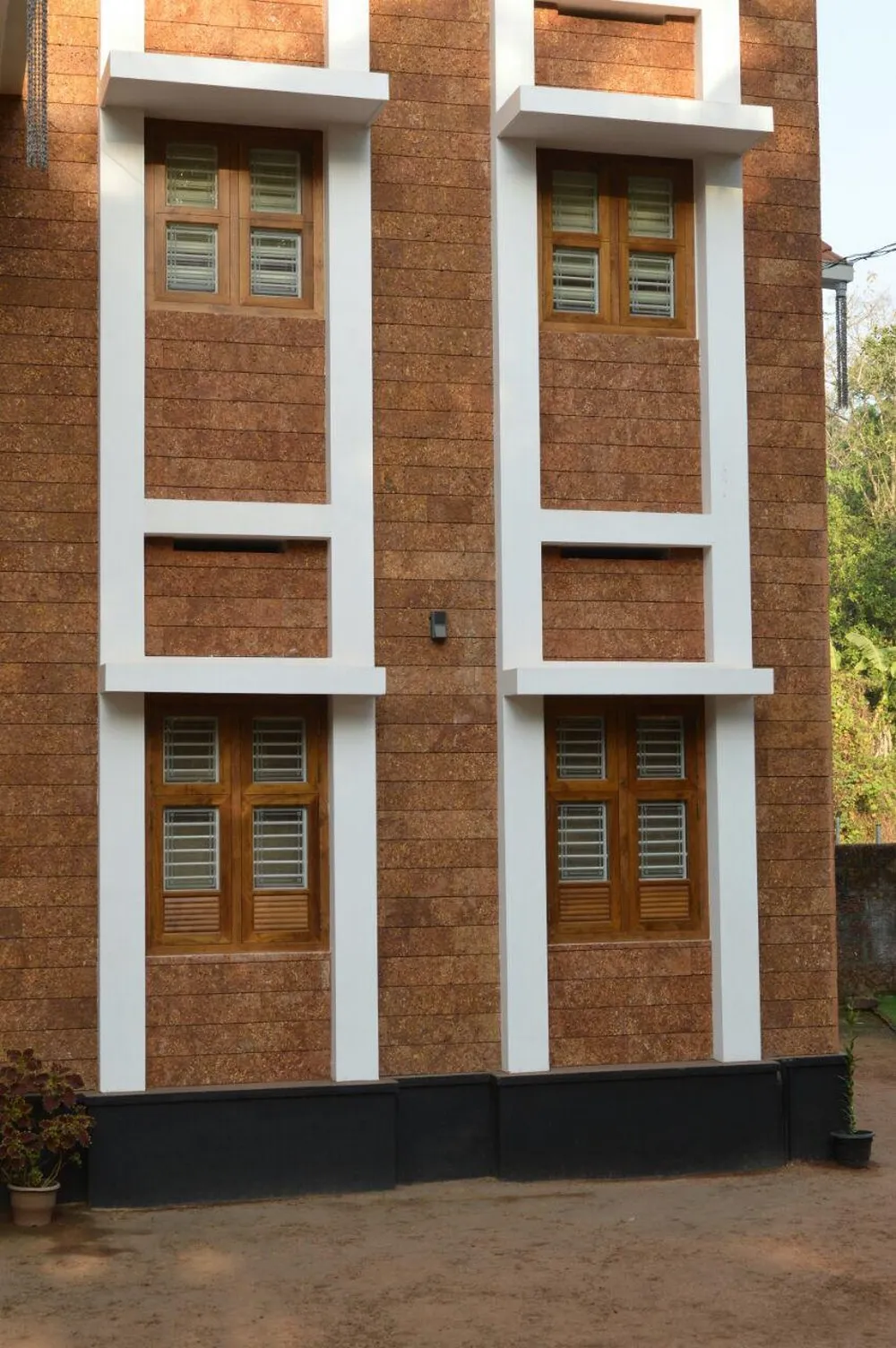
Laterite on exterior building façades gives Bangalore’s villas and independent houses an immediate architectural distinctiveness — a direct visual statement of regional identity and ecological consciousness. The warm ochre-red tones of laterite create extraordinary contrast against Bangalore’s deep green monsoon vegetation.

The single most popular application of laterite in Bangalore — natural rough-split laterite cladding on compound walls transforms the street presence of a property. Particularly popular in Jayanagar, Basavanagudi, Rajajinagar, Malleswaram, and Sadashivanagar — Bangalore’s established neighbourhoods where heritage architecture provides a natural context for laterite.

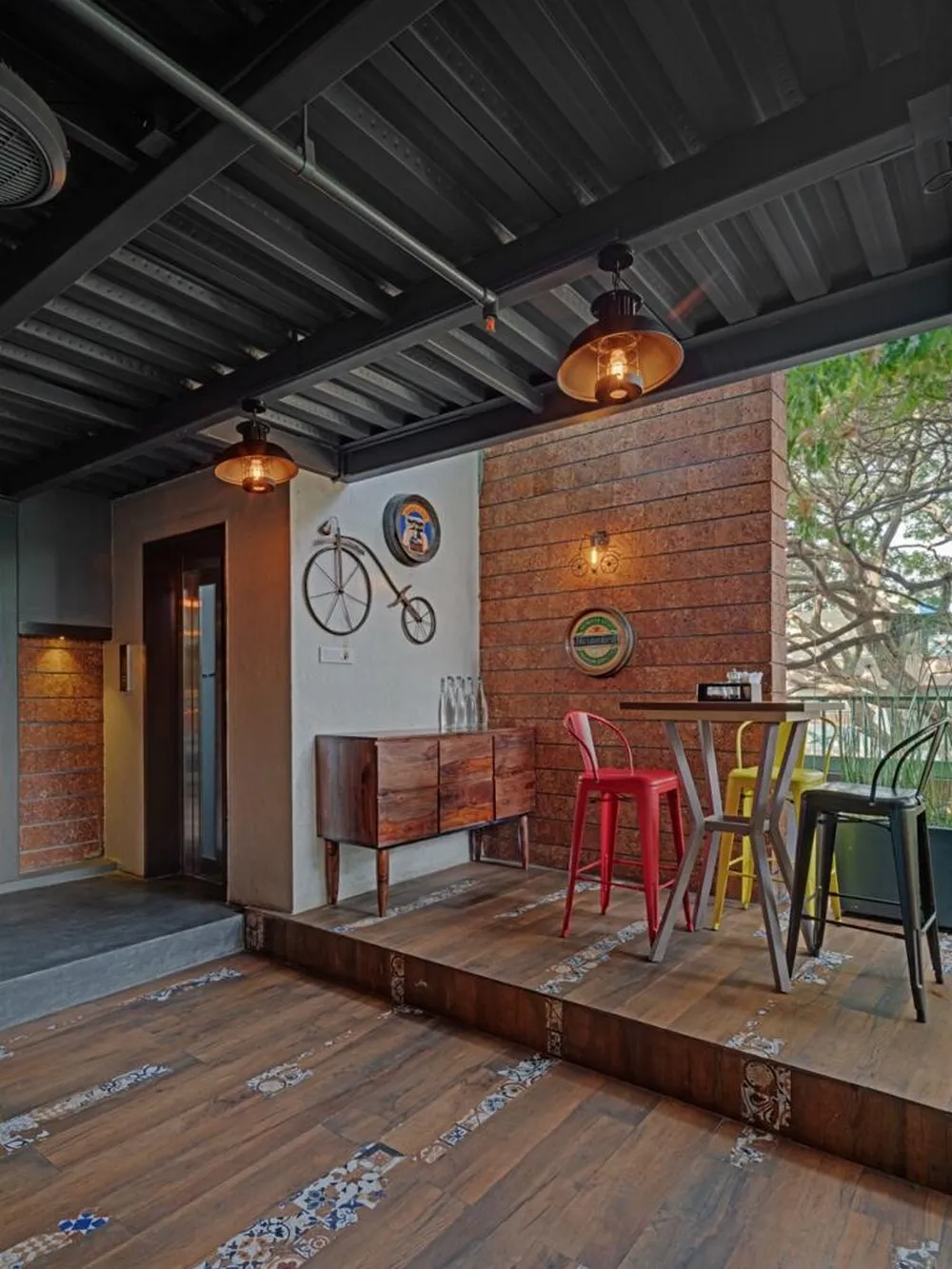
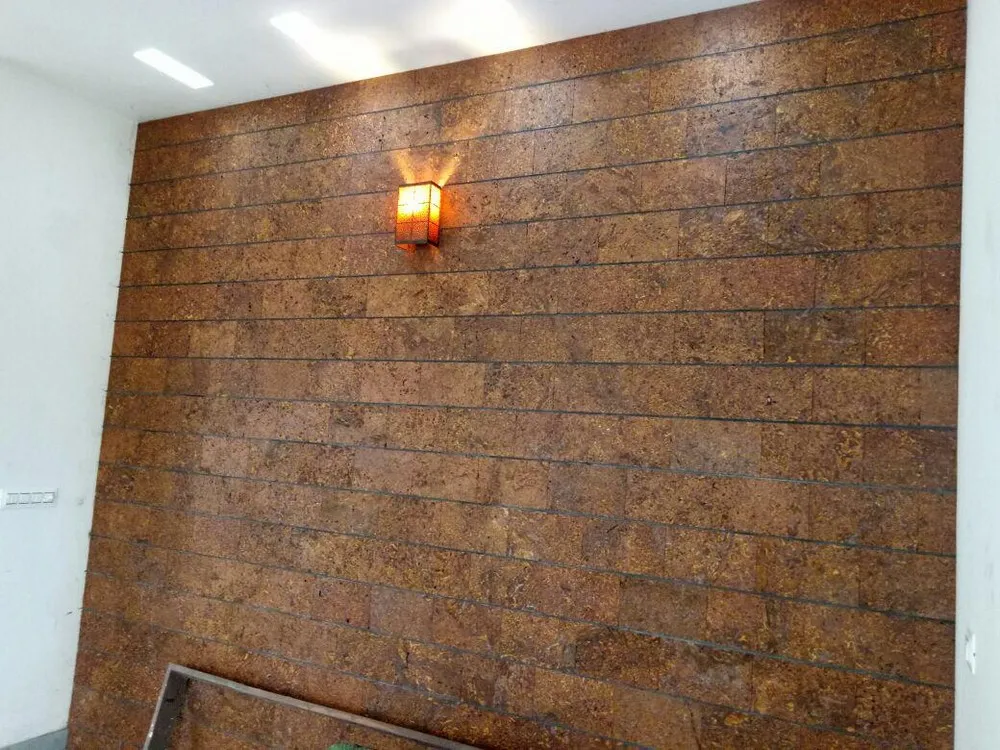
Laterite is the defining material of Bangalore’s most admired natural-aesthetic restaurant and café interiors. The combination of laterite walls, timber elements, and warm light creates an atmosphere of warmth and authenticity that synthetic materials cannot replicate. Found across Indiranagar, Koramangala, and Jayanagar’s most appreciated dining venues.

Machine-cut or hand-chiselled laterite creates extraordinary interior feature walls in living rooms and bedrooms — particularly for homeowners whose interior style references India’s architectural heritage, biophilic design, or sustainable living values.

Laterite in covered courtyards and verandahs continues its centuries-old role in South Indian domestic architecture — combining natural cooling, texture, and cultural resonance in the home’s transitional outdoor spaces.

Laterite on reception walls, meeting room walls, and collaborative workspace surfaces communicates a Bangalore company’s commitment to regional identity, ecological values, and authentic design thinking — increasingly important for purpose-driven brands and studios.




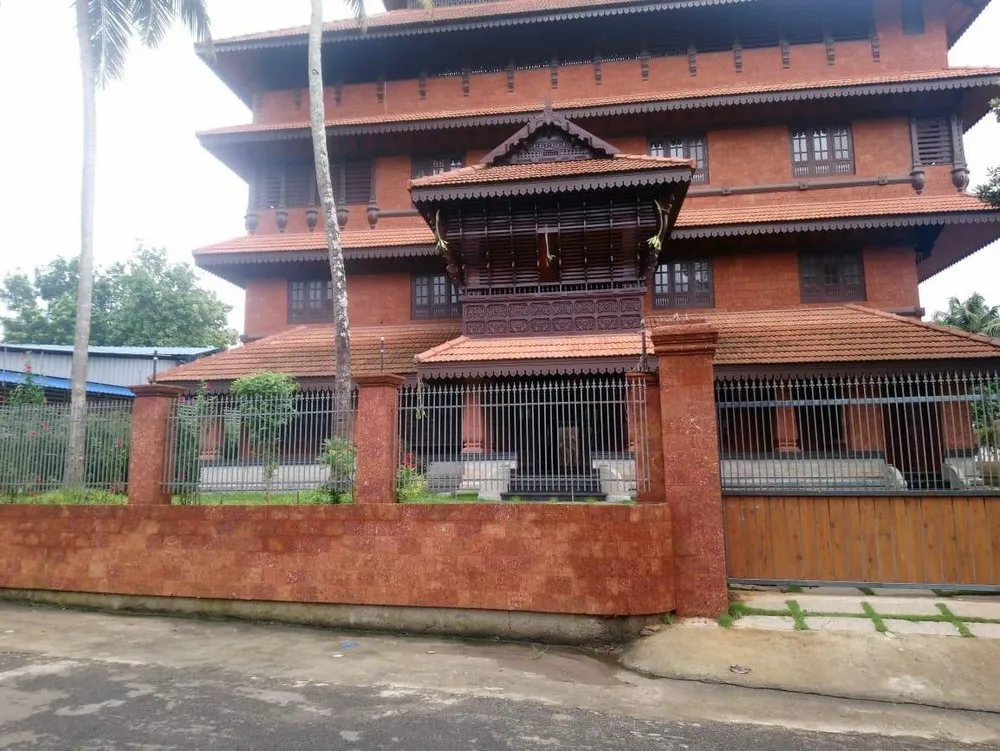
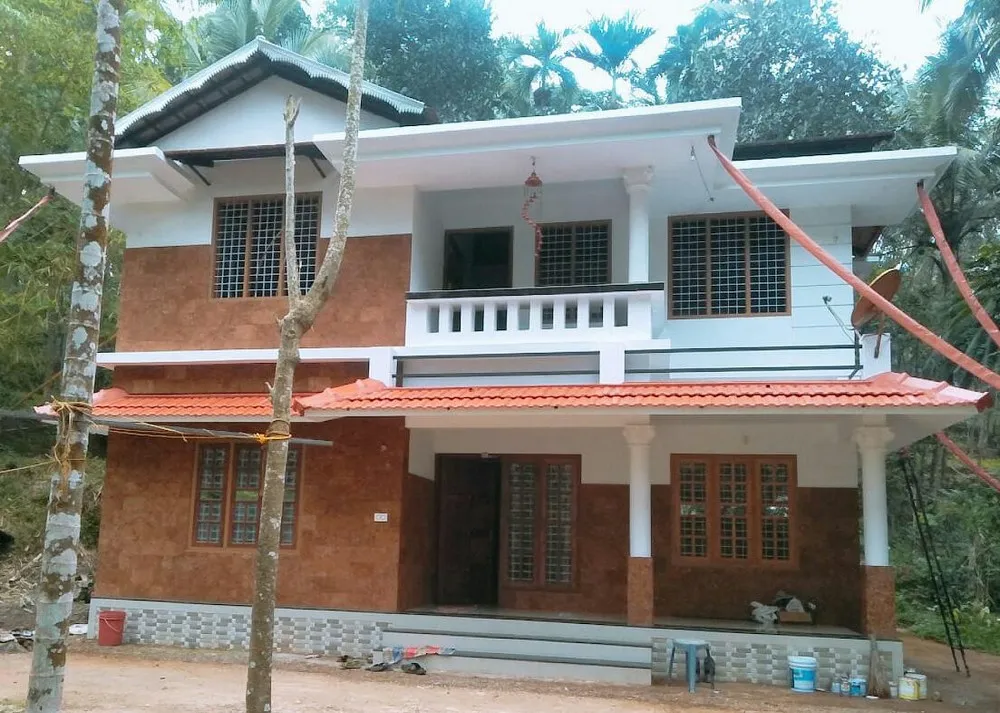






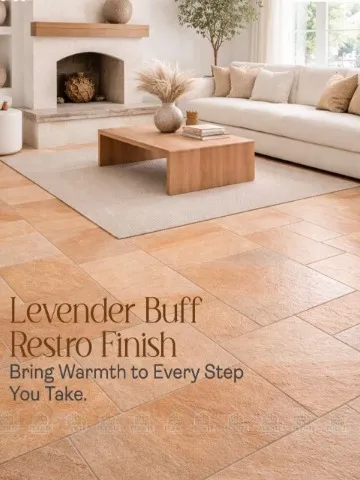
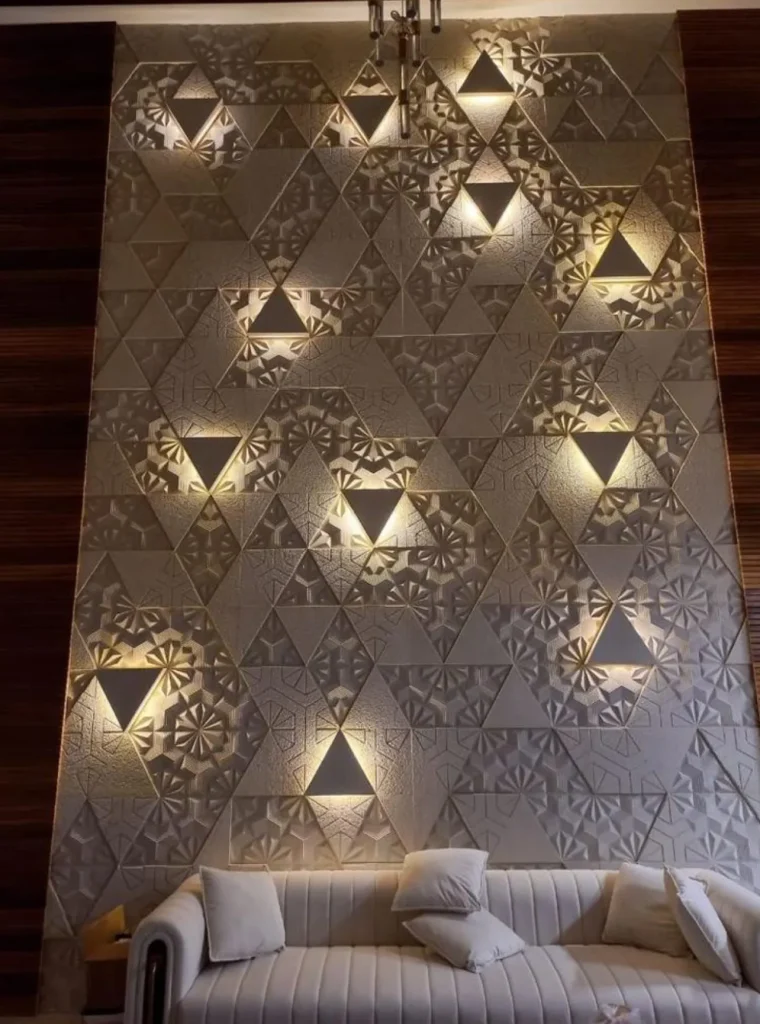
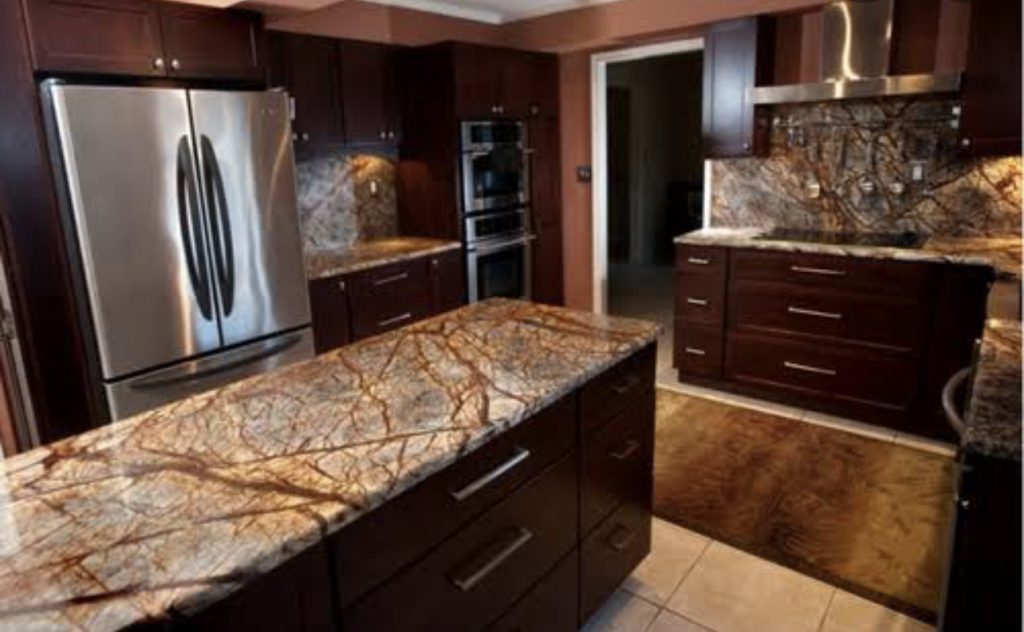
Laterite is not merely a building material in Karnataka — it is the geological identity of the Deccan Plateau’s western margins. Walk through the old quarters of Mangalore, Udupi, or the coastal Karnataka towns, and laterite defines everything: house walls, temple plinths, compound boundaries, pathway edges. The warm reddish-brown stone of laterite is as much a part of Karnataka’s visual landscape as its red soil and coconut groves.
In Bangalore, the use of laterite represents a homeowner’s or architect’s conscious decision to connect their building to this regional heritage — to make a structure that belongs to its place, rather than one that could be anywhere in the world. As Bangalore grows rapidly with pan-Indian and international aesthetics, laterite is the material that says: this is Karnataka; this is here.


Laterite is a natural iron and aluminium oxide-rich rock formed by the deep weathering of igneous rock in tropical climates. In India, it is quarried from Kerala and coastal Karnataka — known locally as “Chira stone.” Its characteristic warm reddish-brown to golden-ochre colour comes from its high iron oxide content.
Standard machine-cut laterite cladding tiles (12×12 inch) are priced at ₹80–₹120 per sq ft. With installation, the all-in rate is ₹113–₹138 per sq ft for standard cladding. Premium hand-chiselled laterite ranges from ₹120–₹200 per sq ft material. Contact Maheshwari Impex for current stock and project pricing.
Yes — laterite is exceptionally well-suited to Bangalore’s exterior climate. Its UV-stable iron oxide colouration does not fade; its thermal mass helps regulate building temperature; and when properly sealed before the monsoon season, it performs durably under heavy rainfall. It has been used successfully in Karnataka’s coastal and inland exterior architecture for centuries.
Yes. Exterior laterite cladding should be sealed with a penetrating natural stone sealant before installation and re-sealed annually before Bangalore’s monsoon season. Interior laterite generally does not require sealing unless in wet areas.
Yes — laterite is one of the most ecologically responsible building materials available. It requires no kiln firing, no chemical processing, no synthetic coatings, and is locally sourced from Kerala and coastal Karnataka. It is a preferred material for IGBC green-rated buildings in Bangalore and for architects committed to low-embodied-energy construction.
Yes. Machine-cut and hand-chiselled laterite tiles are widely used for interior feature walls in Bangalore’s living rooms, restaurant and café interiors, and corporate spaces. Interior laterite creates a warm, earthy, and distinctly South Indian character that manufactured tiles cannot replicate.