

Bangalore architects and interior designers are increasingly specifying natural stone materials that connect occupants with the natural environment. Laterite’s raw, unprocessed character delivers exactly this connection.

Unlike synthetic tiles and polished stone, laterite has high thermal mass. It absorbs heat during the day and slowly releases it in the evening — naturally moderating indoor temperature. In Bangalore’s warming urban climate, this is a meaningful benefit.

Laterite floors are naturally cool to walk on barefoot — a significant advantage in Bangalore’s summer months. Traditional South Indian homes have used this property for generations.

Laterite requires no chemical processing, no high-temperature firing, and no synthetic coatings. It is one of the most ecologically responsible building materials available.

As Bangalore’s newer architecture increasingly references Karnataka’s vernacular building traditions, laterite cladding provides an authentic material connection to regional architectural heritage.

Laterite tiles for outdoor areas and compound walls absorb and re-radiate heat differently from ceramic and polished stone, contributing to cooler micro-environments.
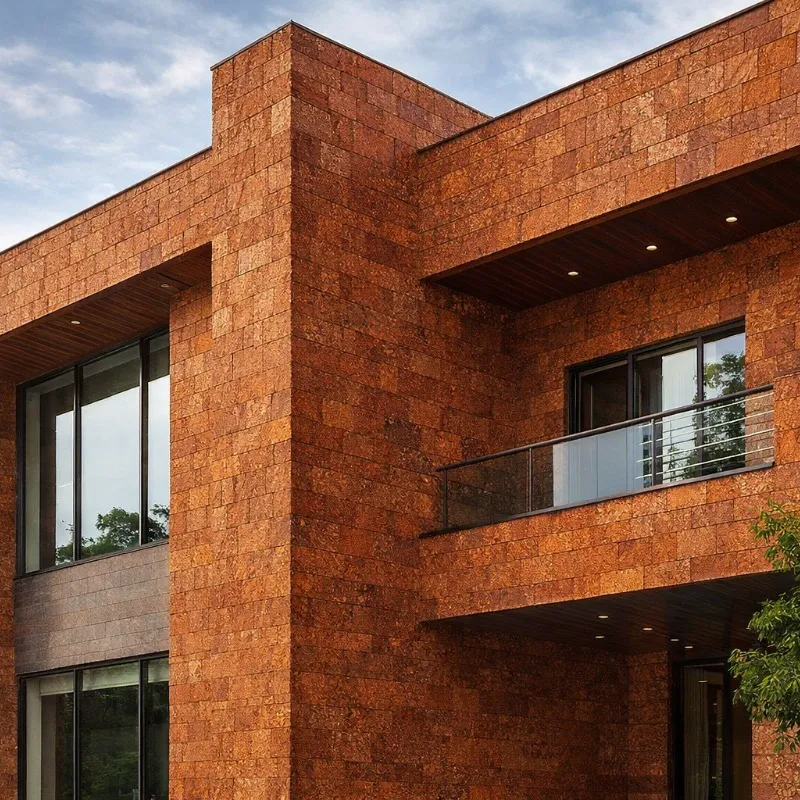
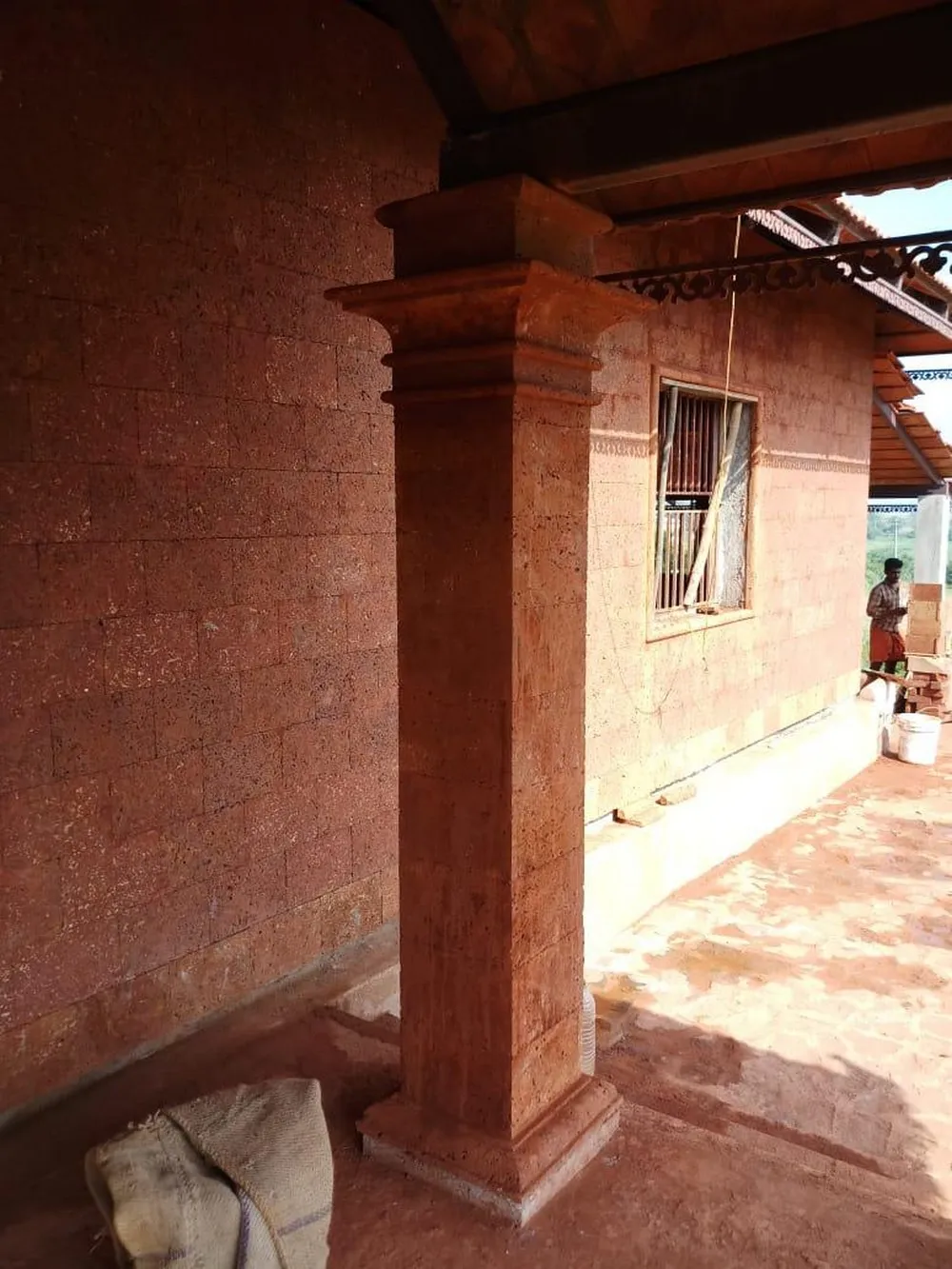
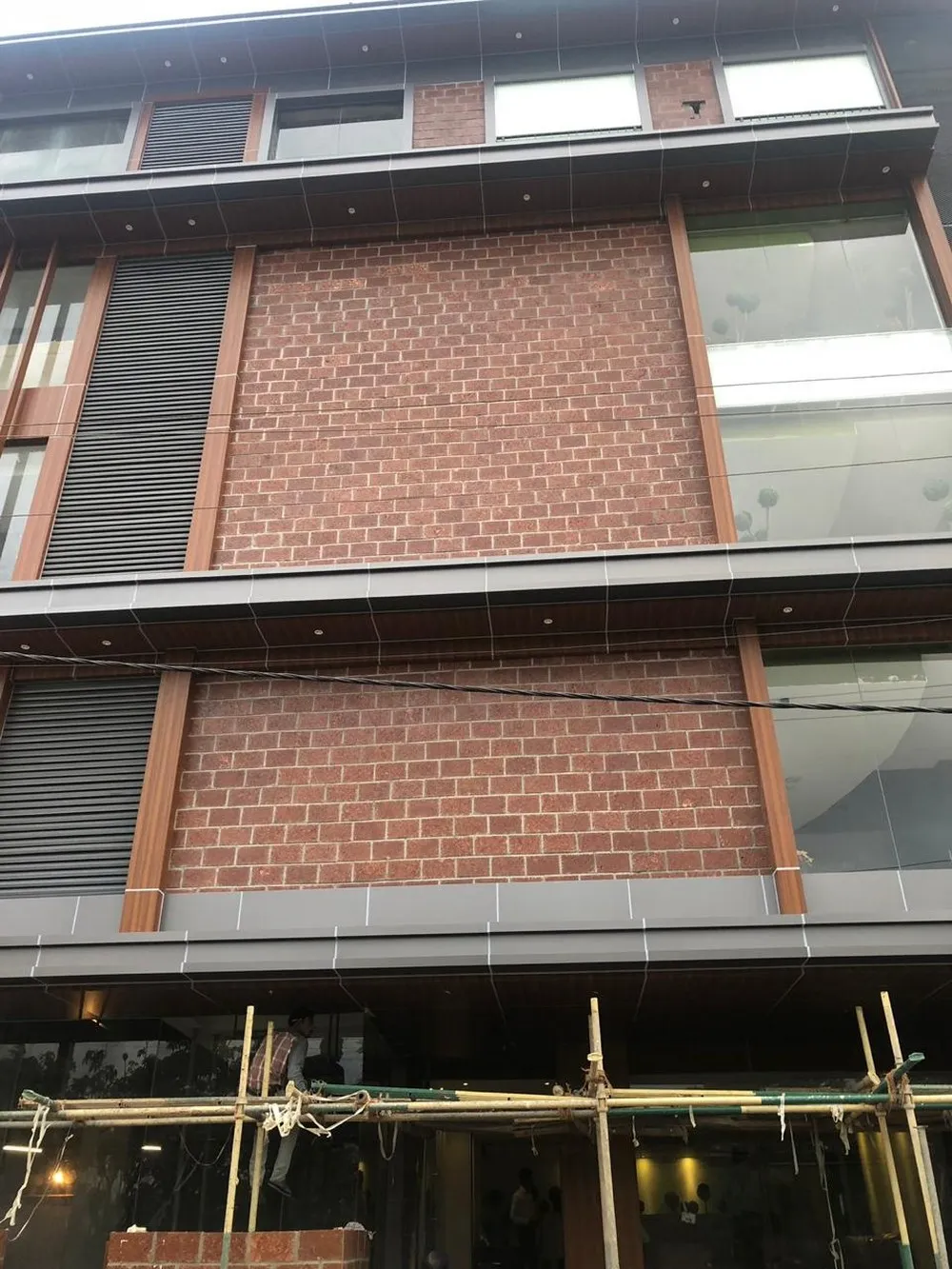
Laterite cladding on building façades gives Bangalore’s villas and independent houses a deeply rooted, Karnataka-vernacular architectural character. The reddish-brown tones age beautifully, becoming richer and more characterful over years of Bangalore’s monsoons and sun. Used by many of Bangalore’s leading architects for sustainable residential projects.
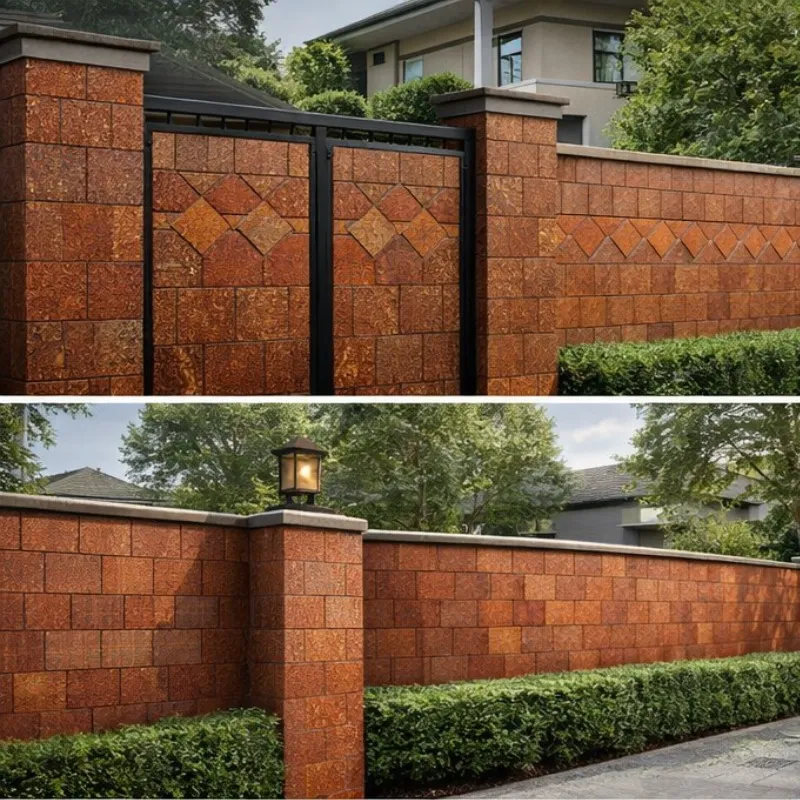
One of the most common uses of laterite in Bangalore — natural laterite cladding on compound walls creates a warm, heritage-influenced street presence. Particularly popular in Jayanagar, Basavanagudi, Sadashivanagar, and other established Bangalore neighbourhoods.
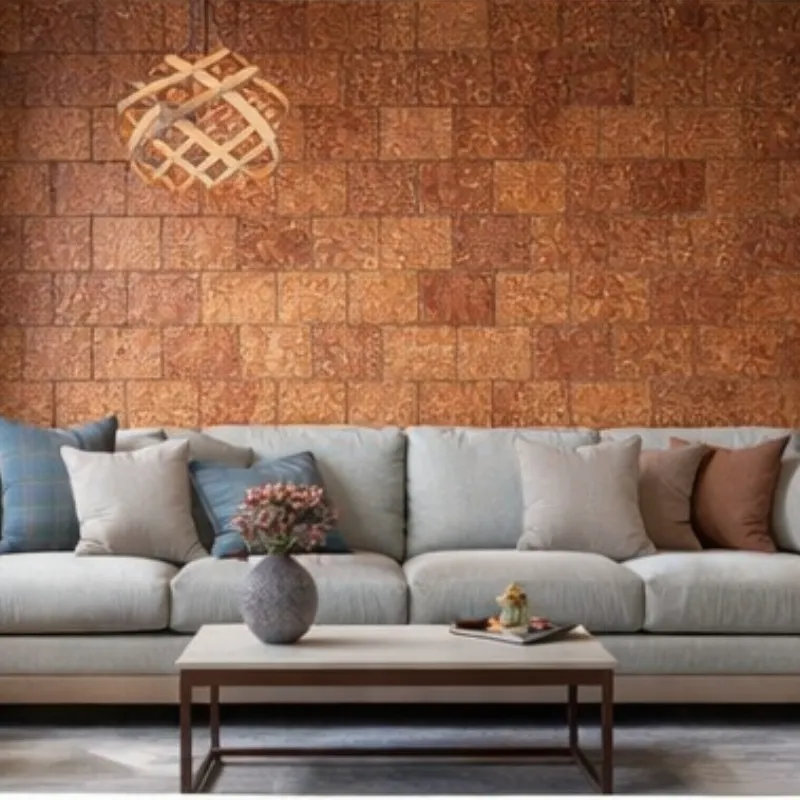
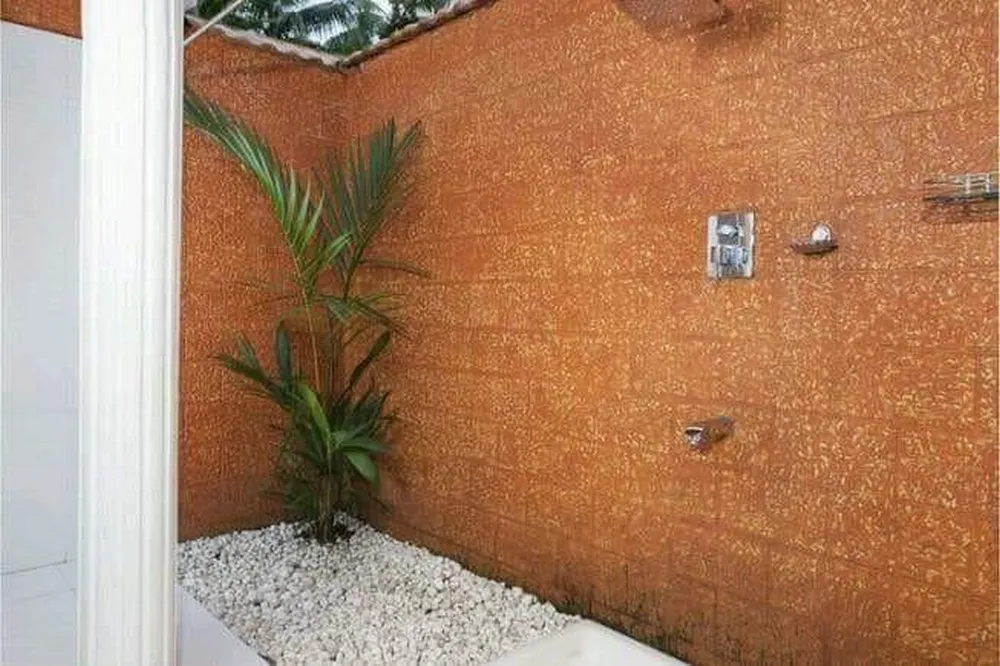
Smooth or hand-chiselled laterite tiles create extraordinary interior feature walls — particularly in homes with an Indian, natural, or biophilic design aesthetic. The warm ochre-red tones pair beautifully with natural wood furniture, terracotta accents, and indoor plants.
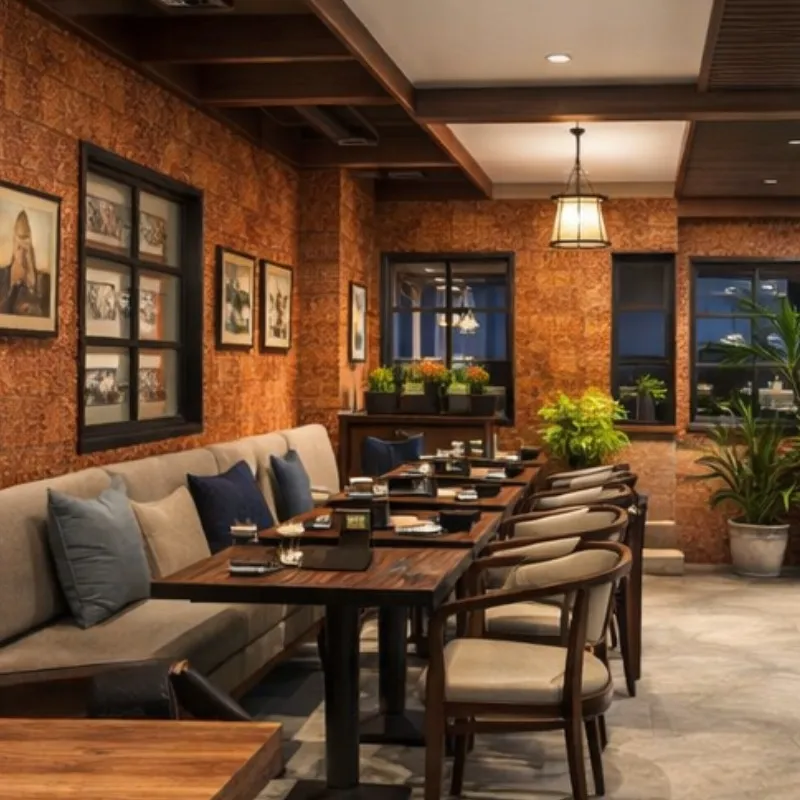
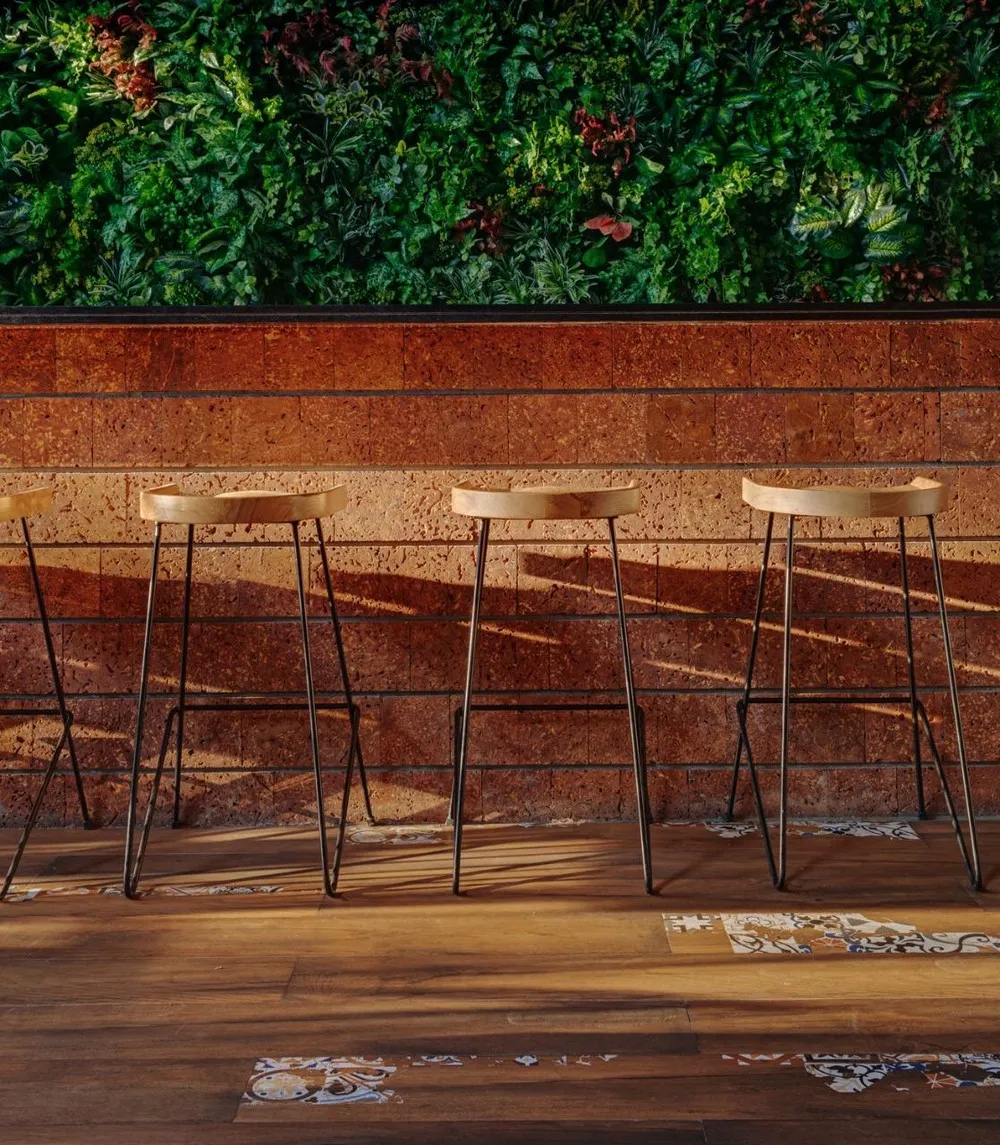
Laterite is the defining material of Bangalore’s natural-aesthetic café and restaurant interiors. Its earthy character, regional identity, and raw texture make it the choice material for Indiranagar, Koramangala, and Jayanagar’s most design-conscious dining venues.
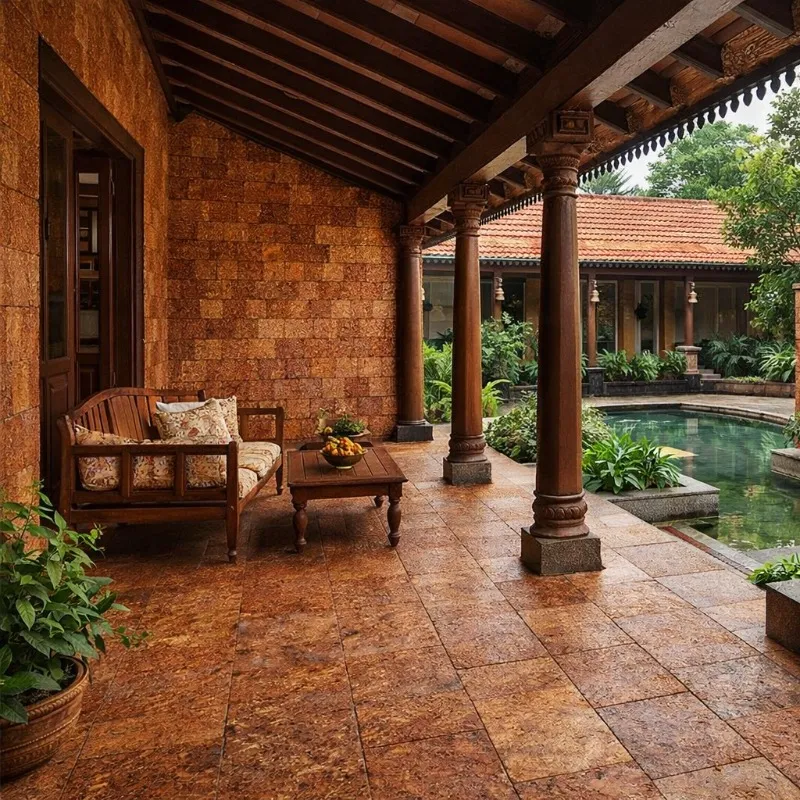
Traditional South Indian homes were built around courtyards paved in laterite. The material’s natural cooling properties make laterite an ideal verandah and courtyard tile — keeping these transitional spaces comfortable even in Bangalore’s warmest months.
The natural earthy character of laterite creates a spiritually grounded, authentic atmosphere in the pooja room — aligning with traditional Indian interior values and the increasing preference for natural materials in sacred spaces.
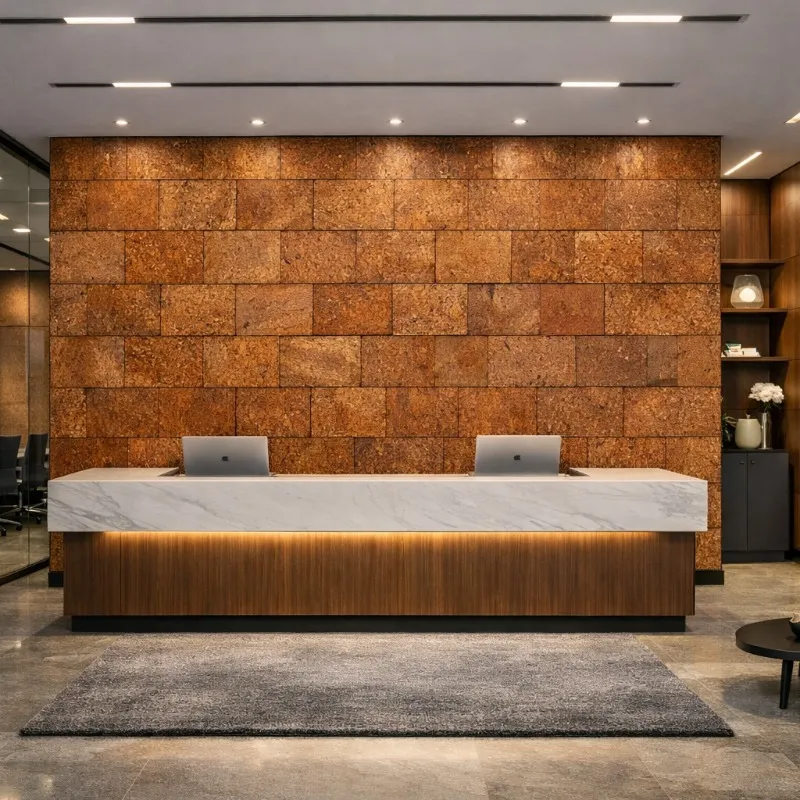
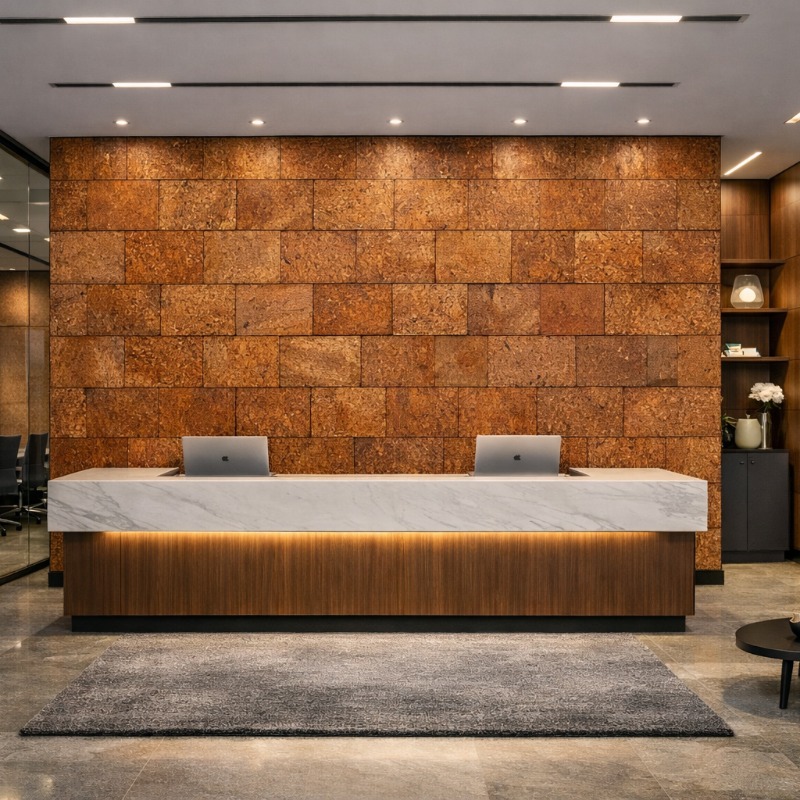
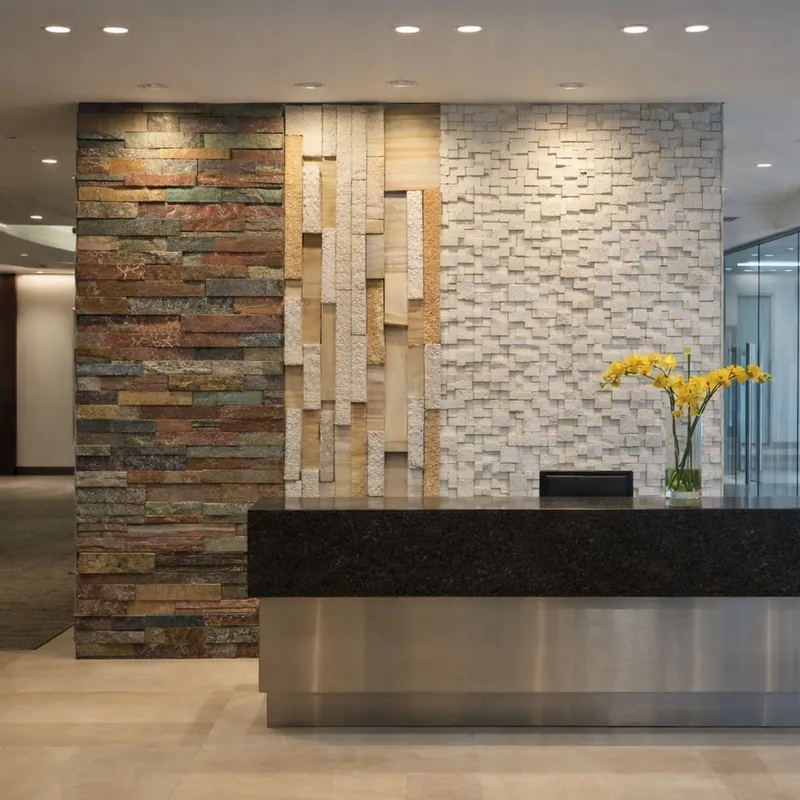
Laterite’s use in Bangalore’s corporate interior design has grown significantly as companies seek materials that communicate sustainability, Indian identity, and connection to natural heritage. Reception walls, meeting room feature walls, and office entrance areas are common applications.



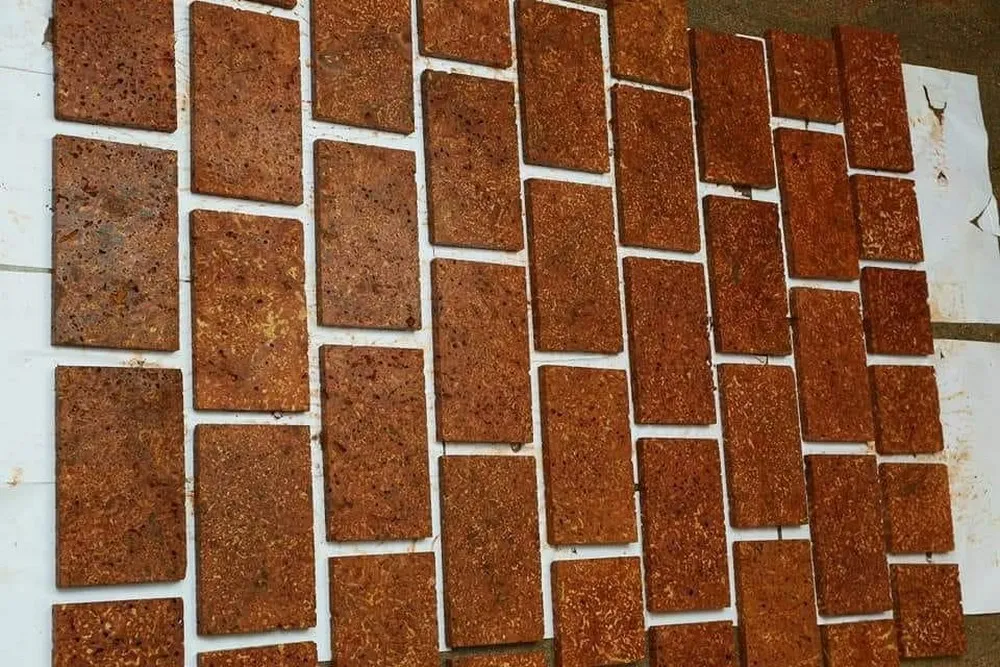
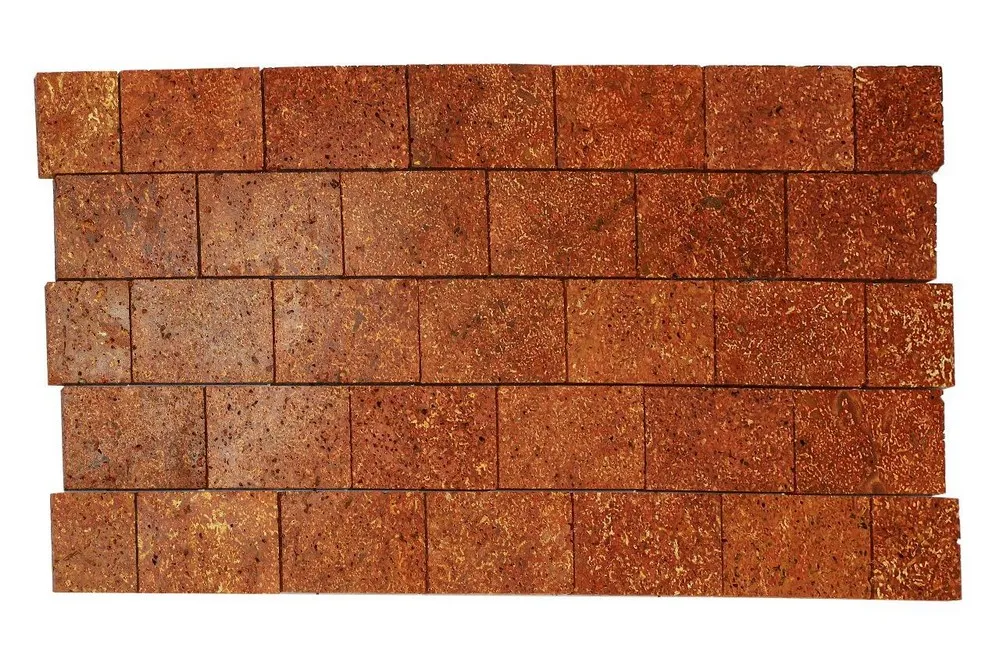
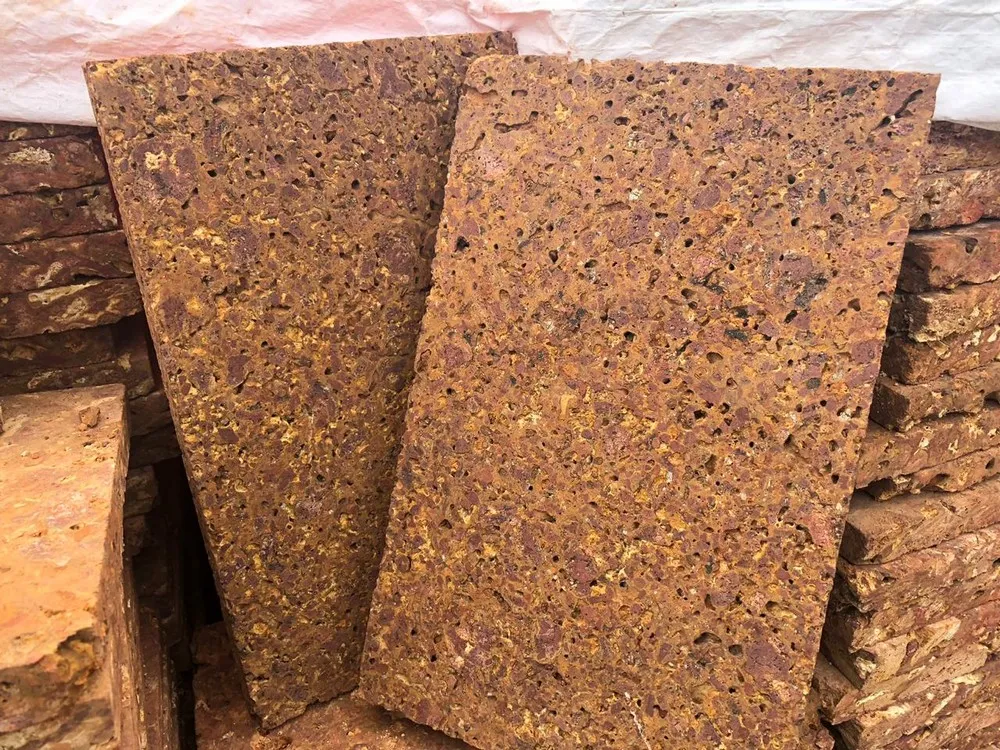
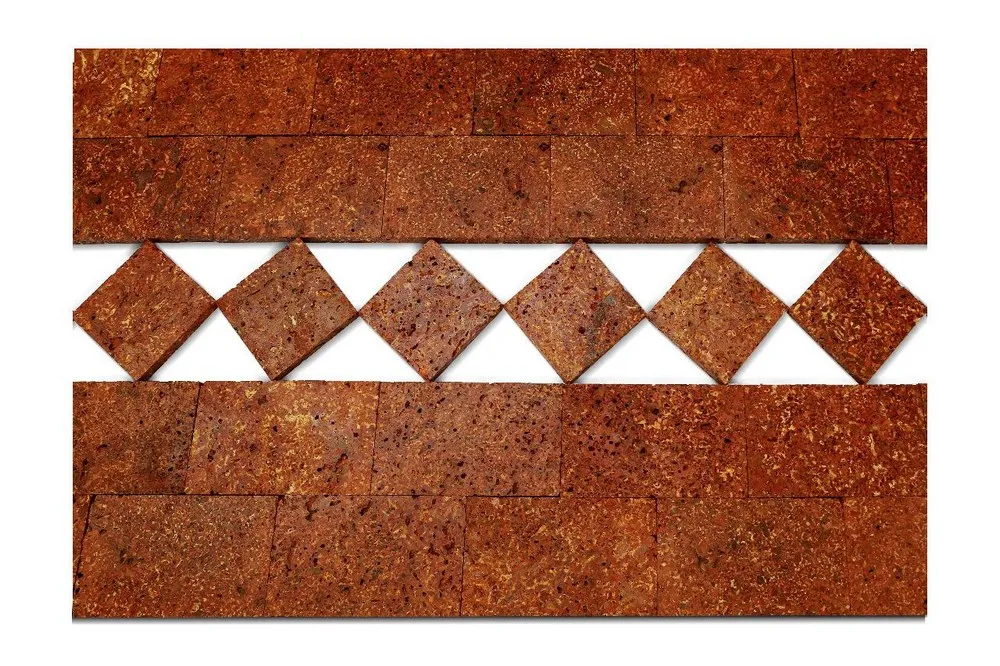
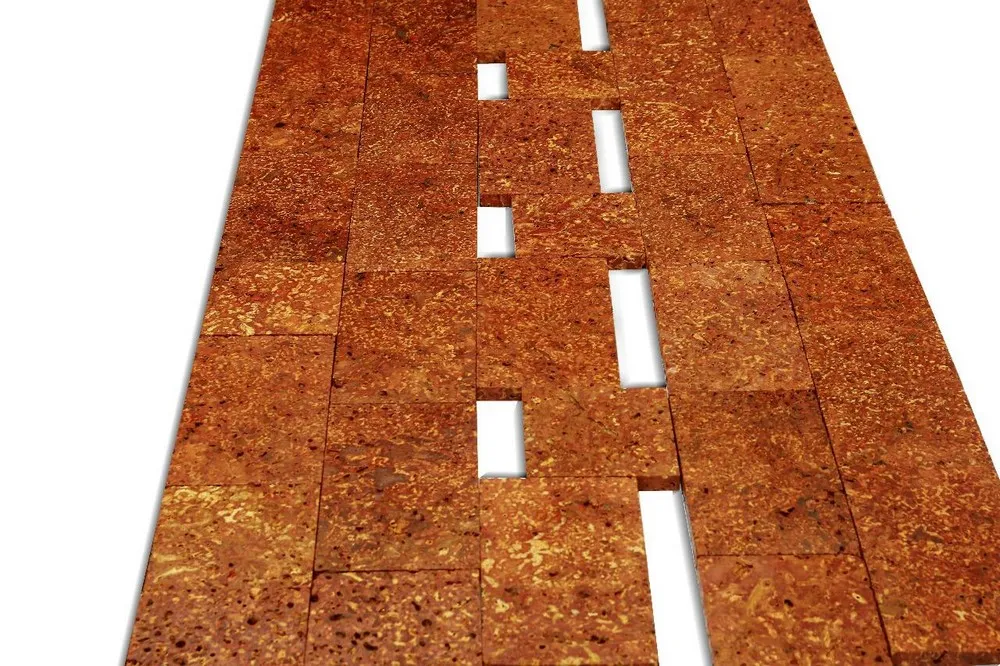
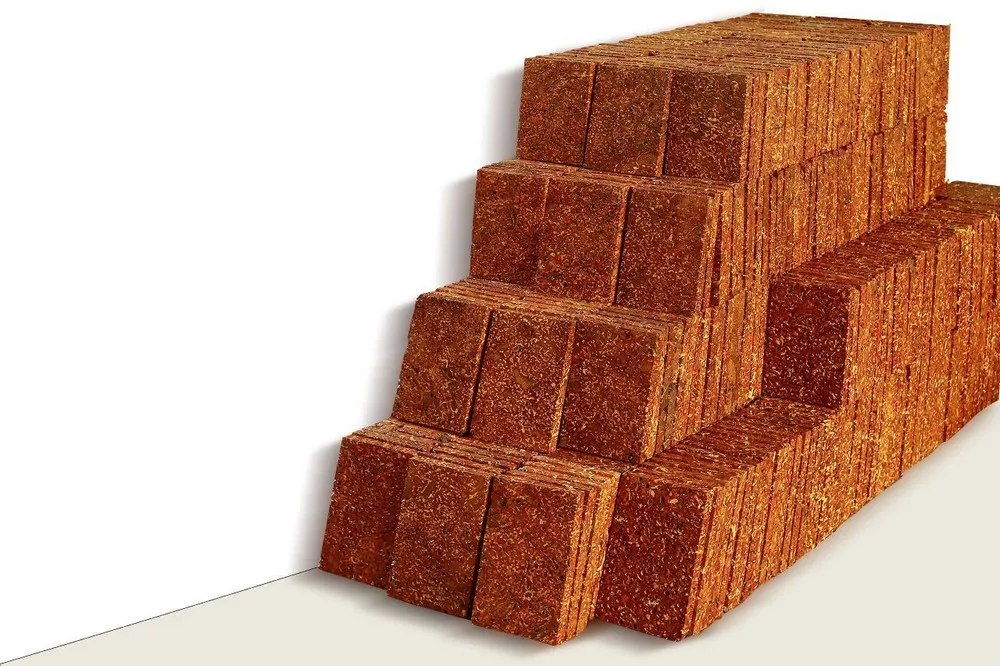
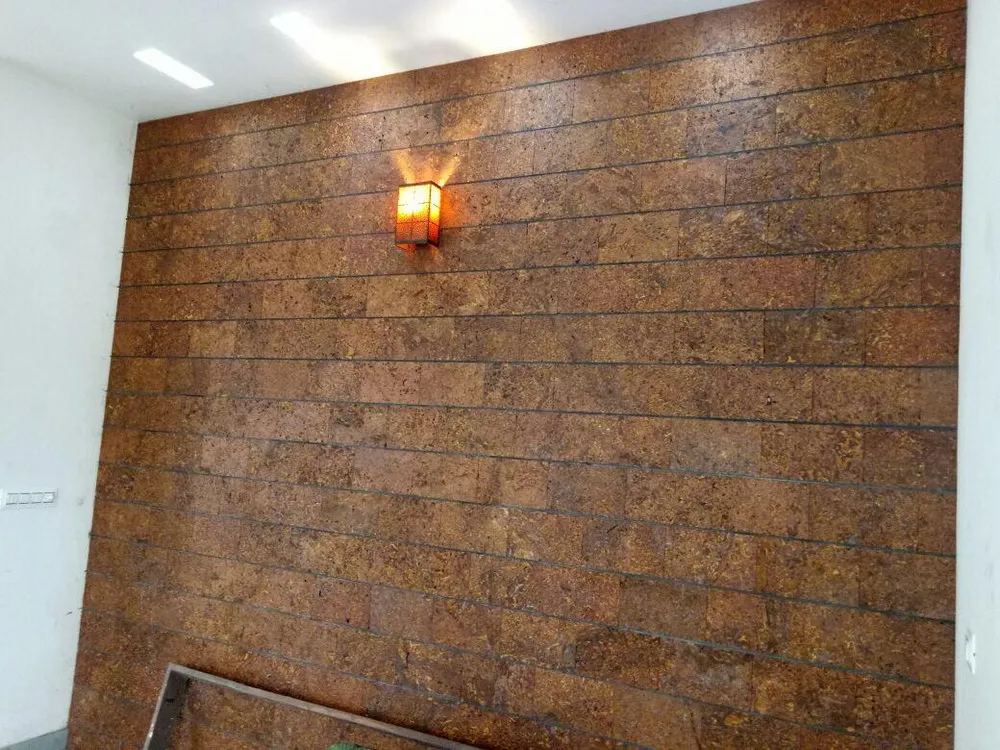
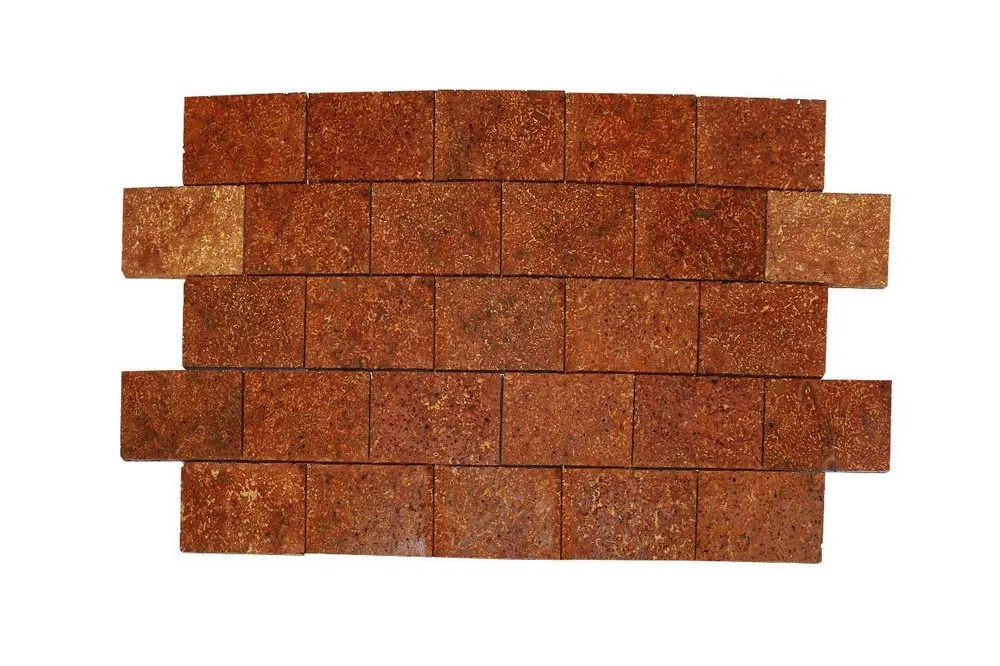
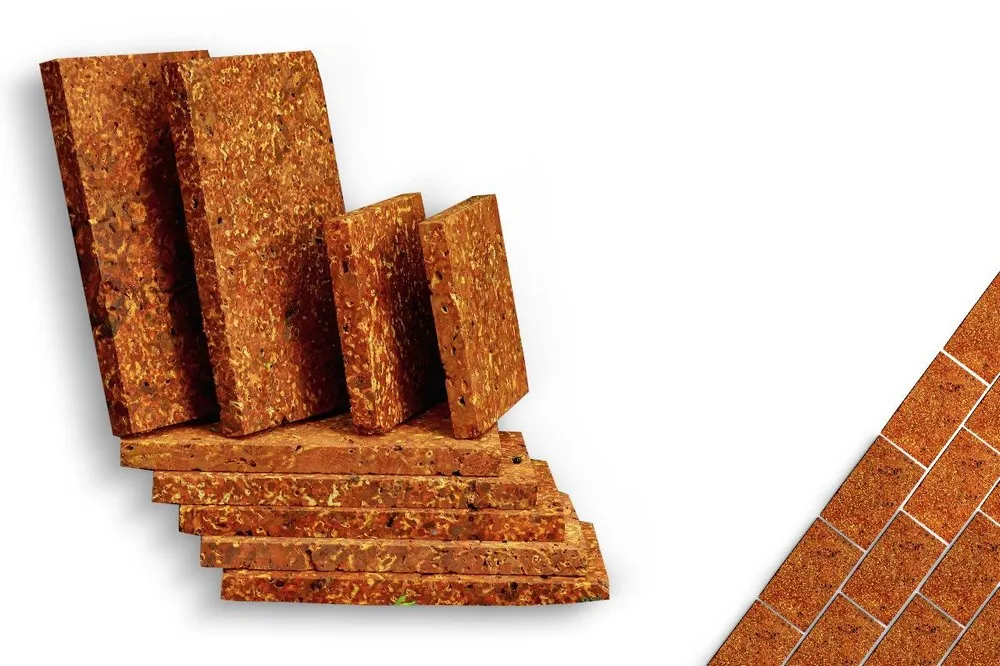

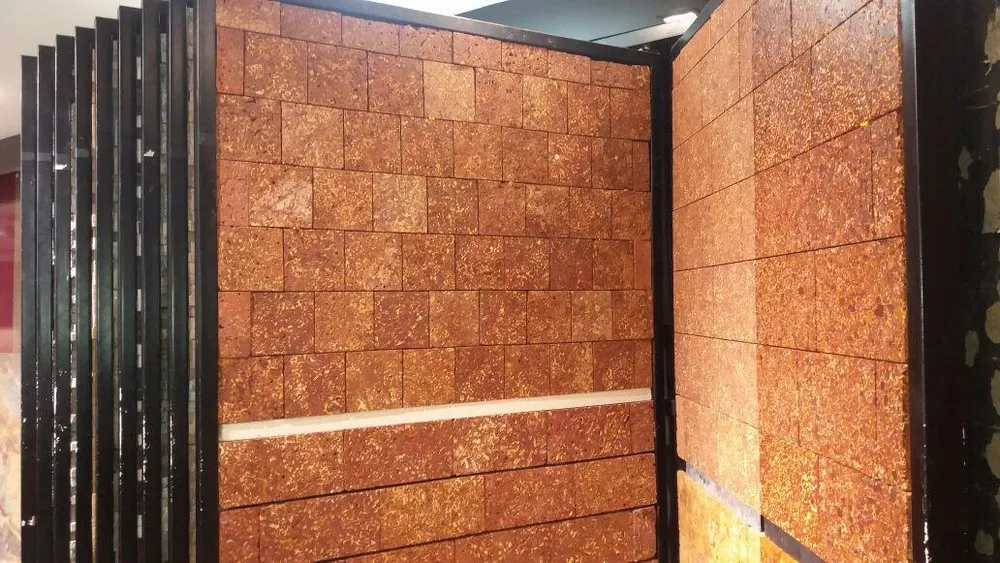
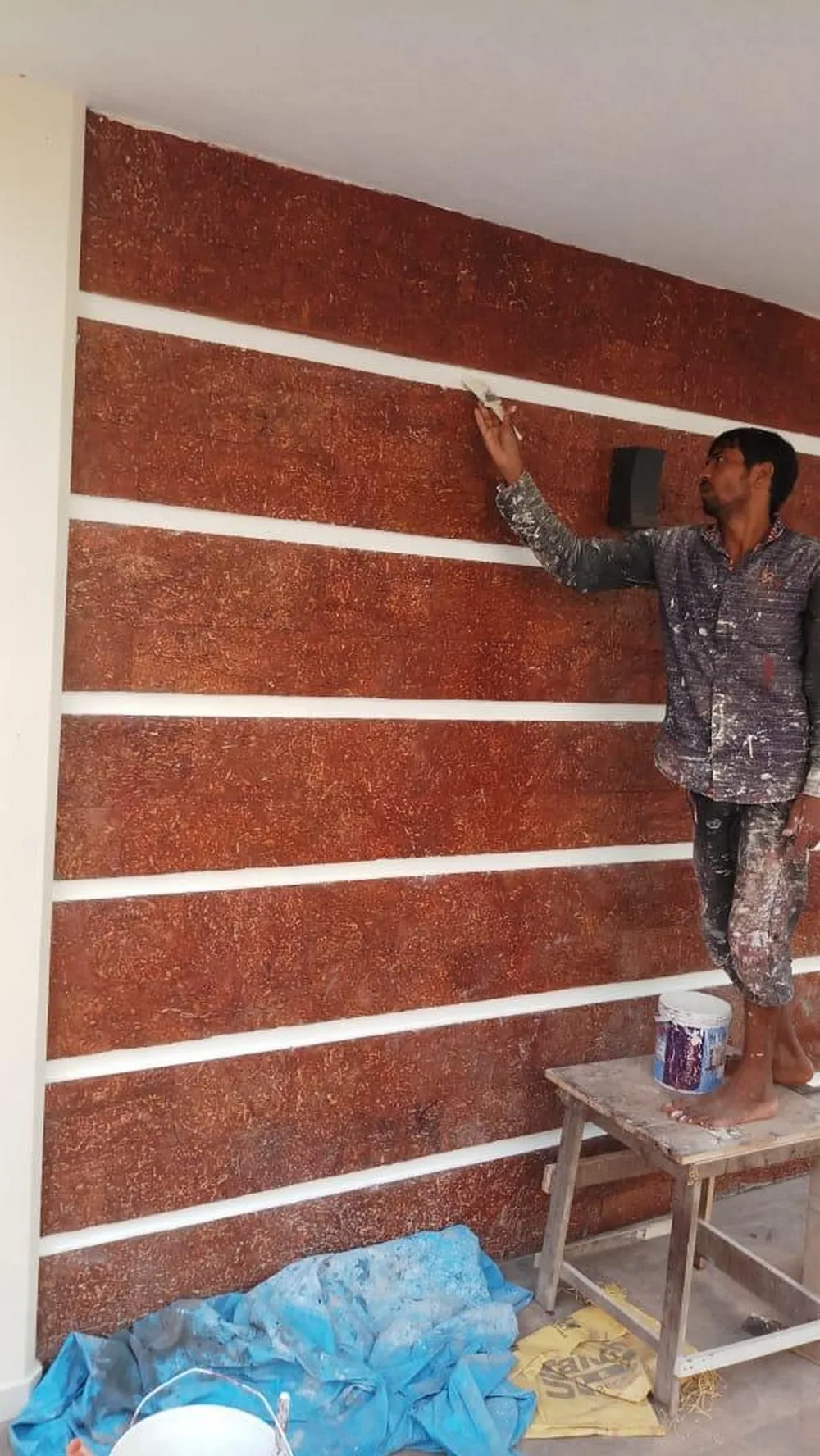

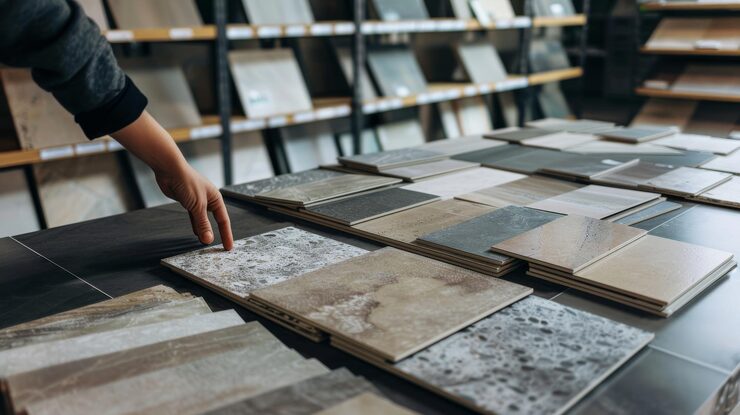

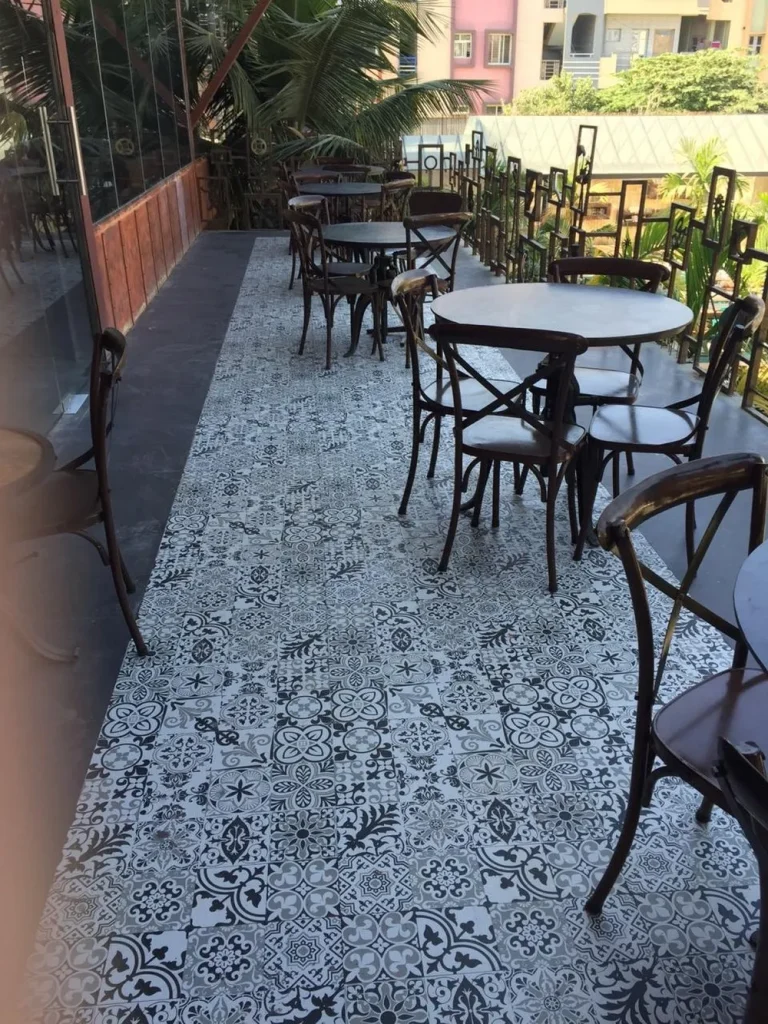
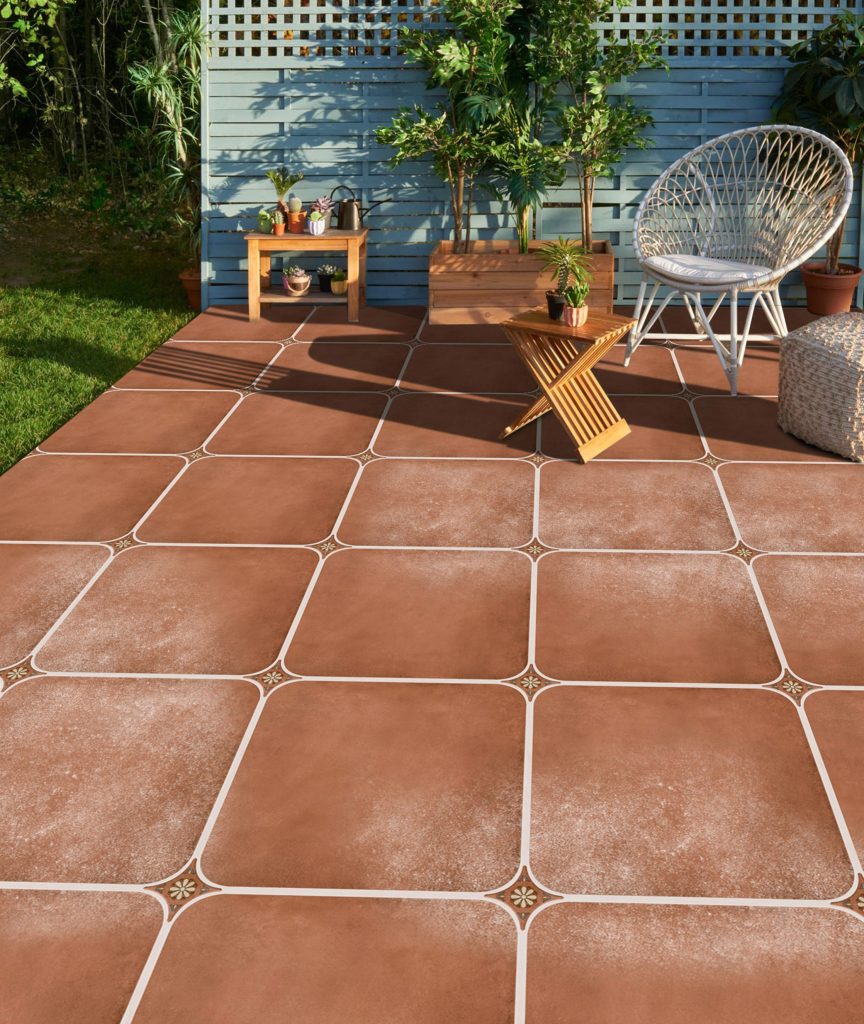
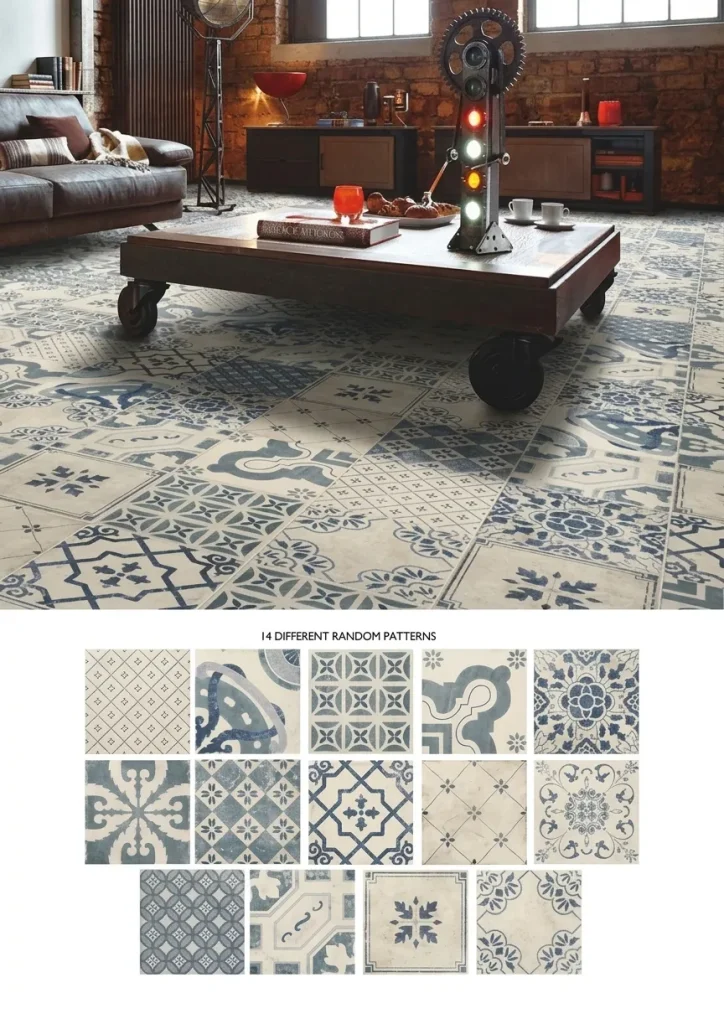
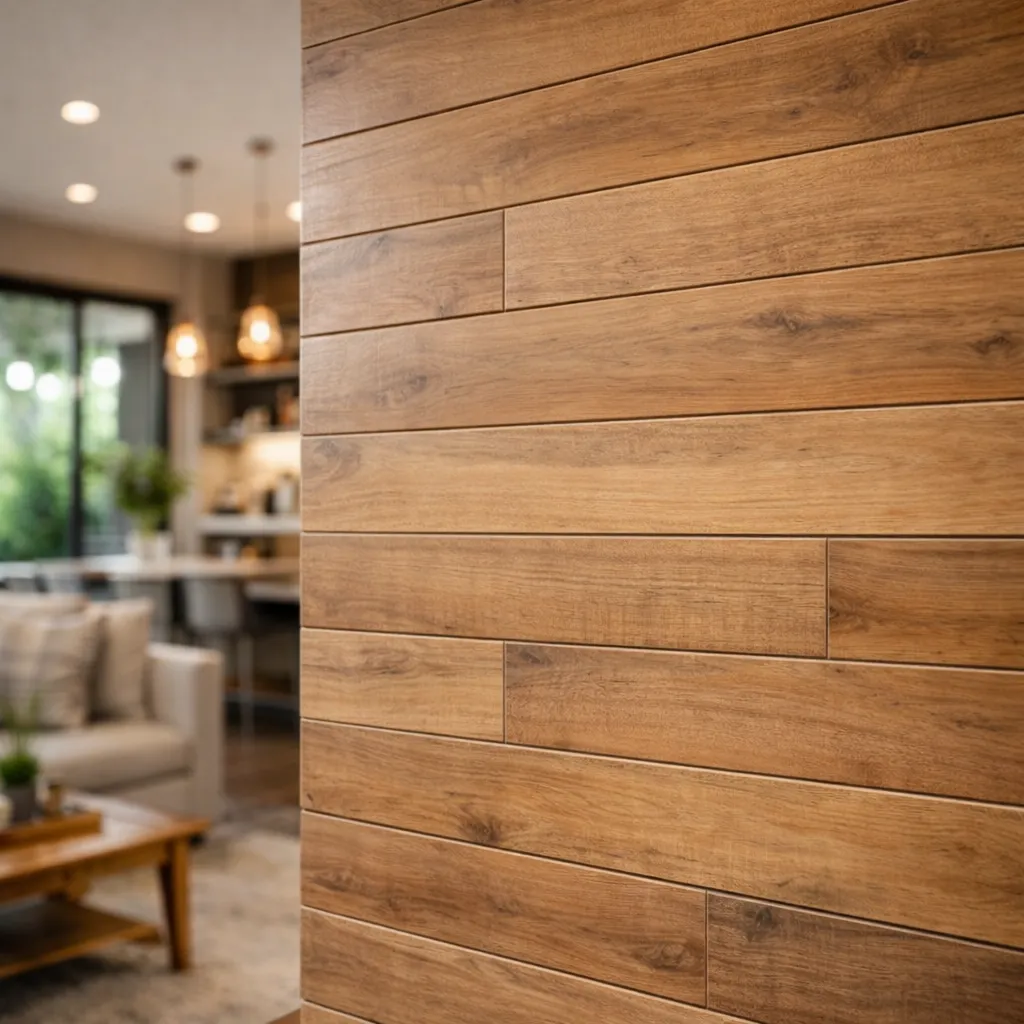
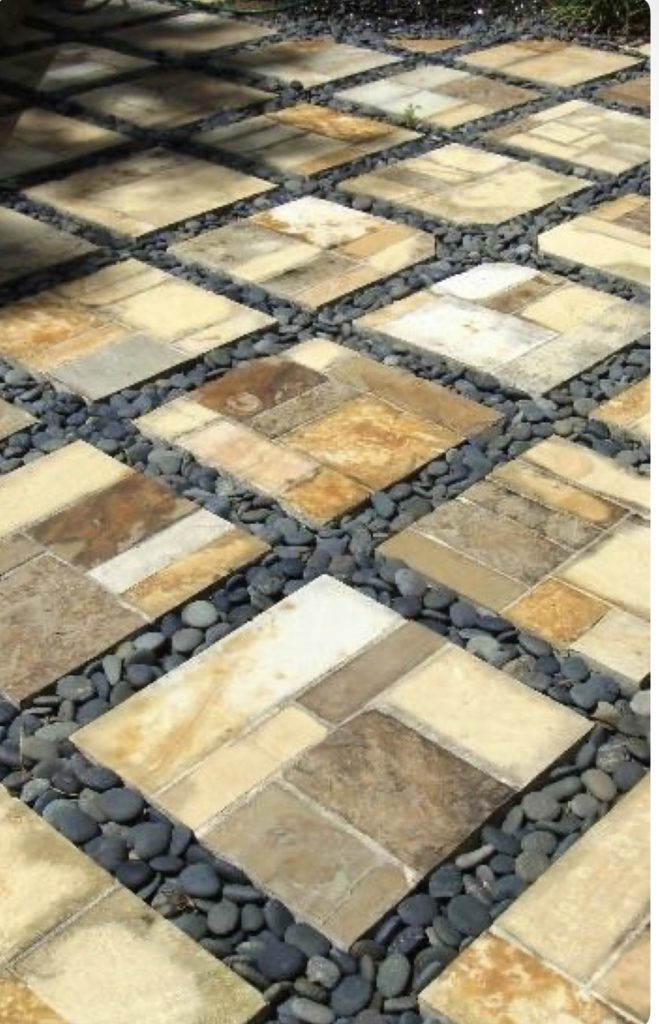


Laterite cladding tiles are precision-cut tiles made from laterite — a natural iron-rich rock quarried from Kerala and coastal Karnataka. They are reddish-brown to golden-ochre in colour, 100% natural, and used for wall cladding, flooring, and exterior façades. They are also known as “Chira stone” in Karnataka and are deeply associated with traditional South Indian architecture.
Yes — laterite is exceptionally well-suited to Bangalore’s climate. Its high thermal mass provides natural cooling, its porous structure handles moisture well when sealed, and it has been used successfully in Karnataka’s coastal and inland regions for centuries. Proper sealing before the monsoon season ensures long-term performance.
Laterite wall cladding tiles in Bangalore are priced from ₹80–₹120 per sq ft for material alone. With installation, the total cost is approximately ₹113–₹138 per sq ft for standard 12×12 inch cladding. Premium hand-chiselled tiles and larger format slabs may be priced higher. Contact Maheshwari Impex for current pricing.
Yes. Smooth or polished laterite tiles are widely used for interior feature walls, living room accent surfaces, restaurant interiors, and office reception areas in Bangalore. Interior laterite tiles require sealing to prevent dust and surface marking, and benefit from periodic re-sealing.
Yes. Laterite tiles should be sealed with a penetrating natural stone sealant before installation and re-sealed annually, especially for exterior applications. Sealing reduces water absorption, prevents staining, and maintains the richness of the tile’s ochre-red colour.
Both are natural clay-derived materials with warm earthen colours, but they are distinct products. Laterite is a natural stone (not clay), quarried from rock formations. Terracotta tiles are fired clay products — manufactured rather than quarried. Laterite has a rougher, more rock-like texture; terracotta is more uniform. Both share natural cooling properties and an earthy aesthetic.
Yes — laterite tiles are among the most eco-friendly building materials available. They require no chemical processing, no high-temperature kiln firing, and no synthetic coatings. They are locally sourced from Kerala and coastal Karnataka (reducing transport carbon), and they biodegrade completely at end of life. This makes them a preferred choice for IGBC green-rated projects in Bangalore.
Maheshwari Impex is a trusted supplier of laterite cladding tiles in Bangalore, stocking natural rough-split, machine-cut, and hand-chiselled laterite tiles for wall cladding, exterior façades, flooring, and paving applications. Contact us for design consultation and project pricing.