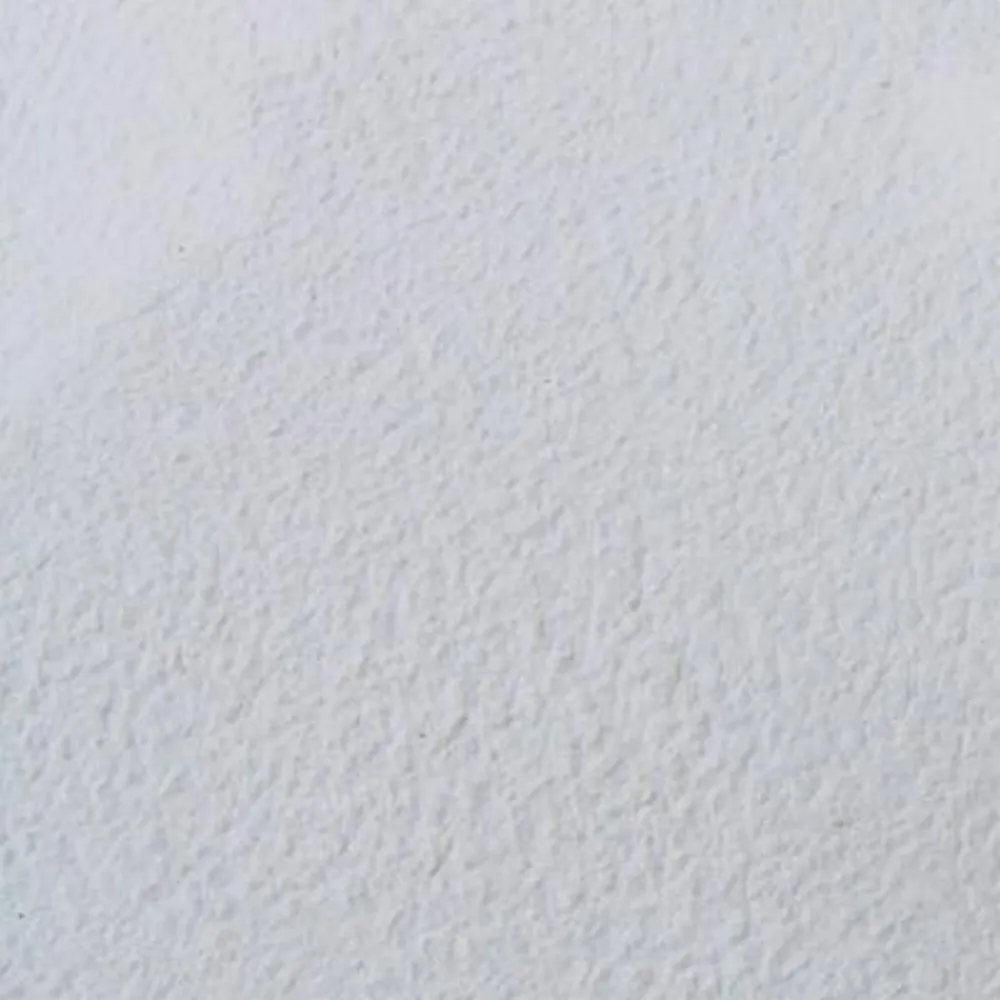
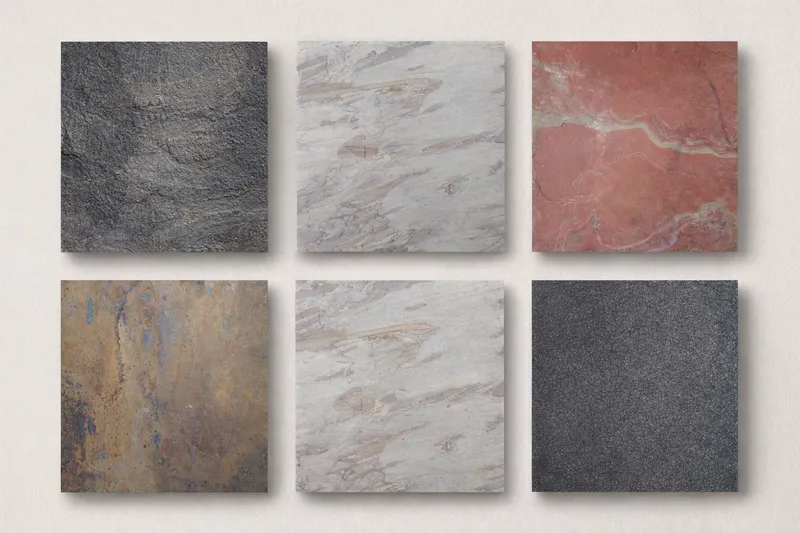
India’s most iconic limestone. Quarried near Kota in Rajasthan, Kota stone is a fine-grained, hard limestone available in blue-grey, blue-brown, and green variants. Its exceptional durability, natural antiskid surface, and very competitive pricing have made it the go-to flooring choice for institutional, commercial, and budget-conscious residential projects across India for generations.
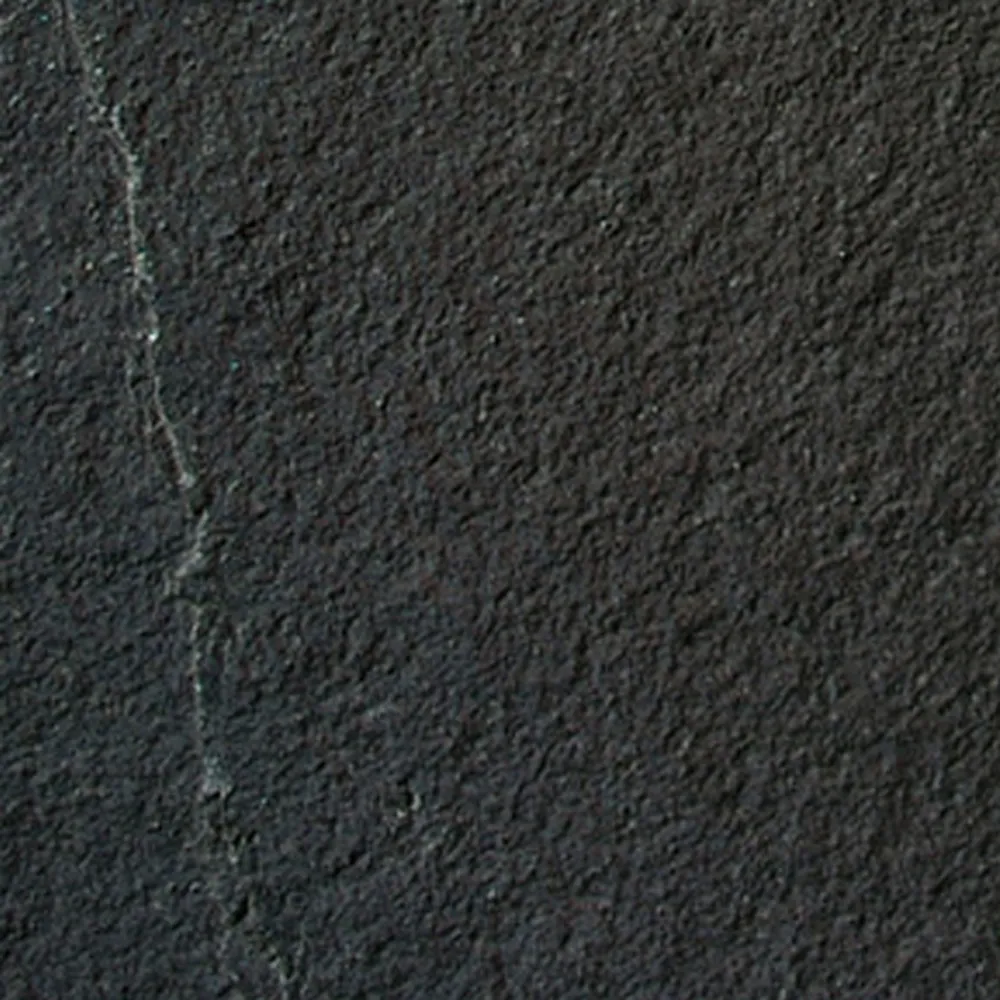
A distinctive dark grey to near-black limestone from Kurnool district of Andhra Pradesh. Often mistakenly called “black Kota stone,” Kadappa is actually a different stone — denser, darker, and with a distinctive layered character. One of South India’s most popular flooring and cladding stones.
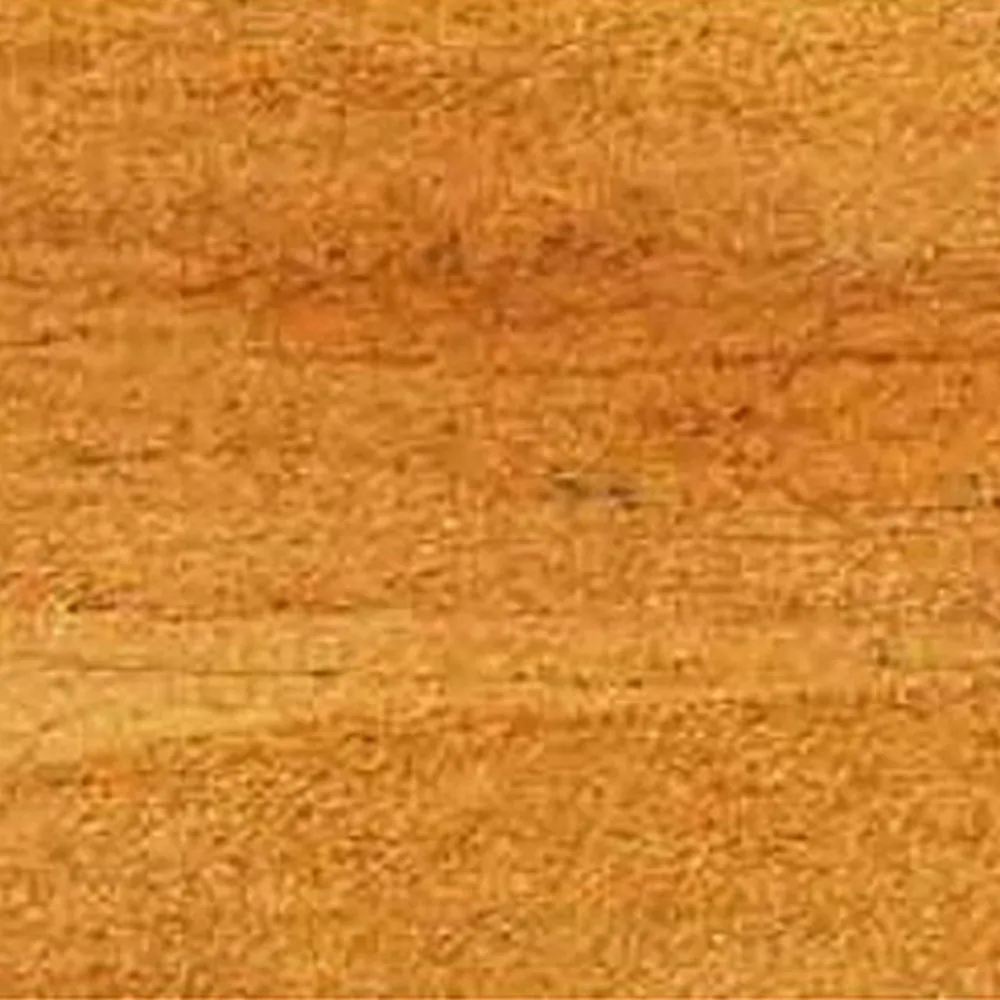
Quarried from Tandur in Telangana (near Hyderabad), Tandur stone is a distinctive yellow-beige limestone known for its warm, honey-toned colour and irregular natural surface. A culturally significant stone in South Indian traditional architecture, frequently used for flooring, wall cladding, steps, and compound walls.

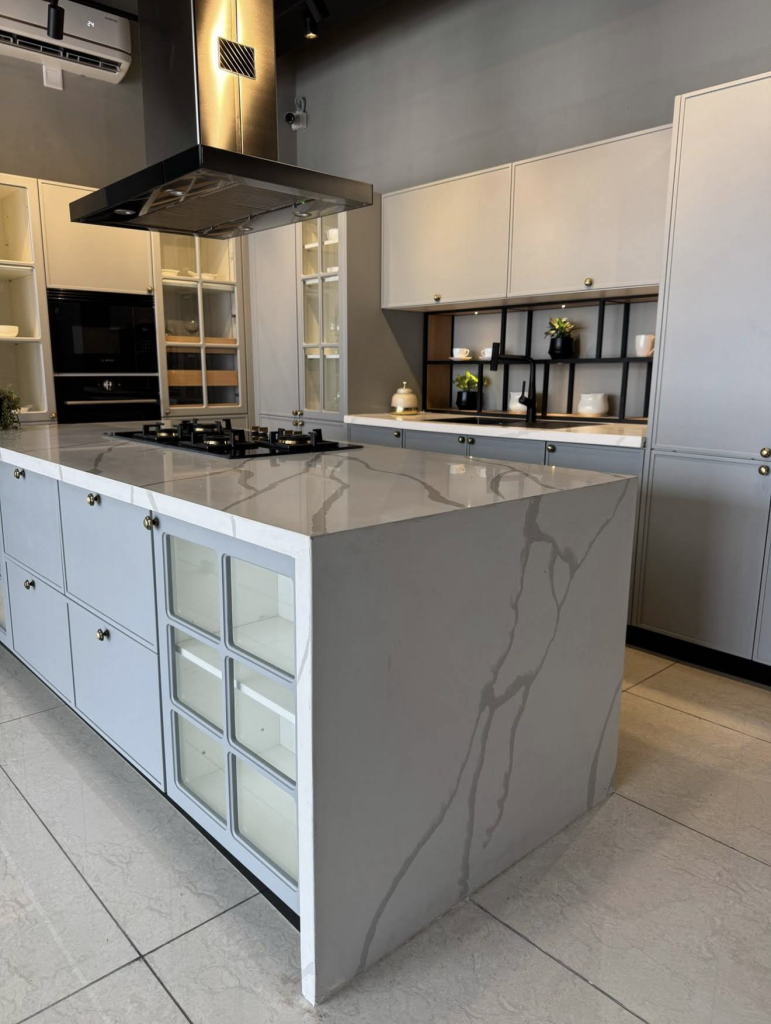
Dark, near-black limestone for contemporary and dramatic interior applications. Used for kitchen countertops in traditional-style Bangalore homes, bathroom feature walls, and minimalist exterior cladding.



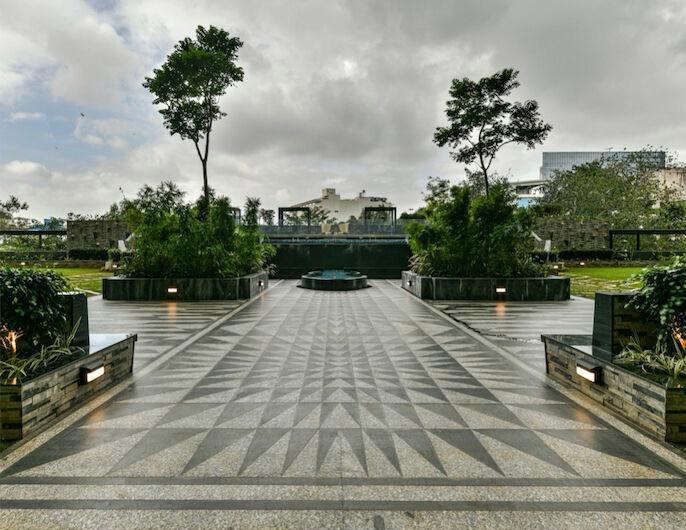
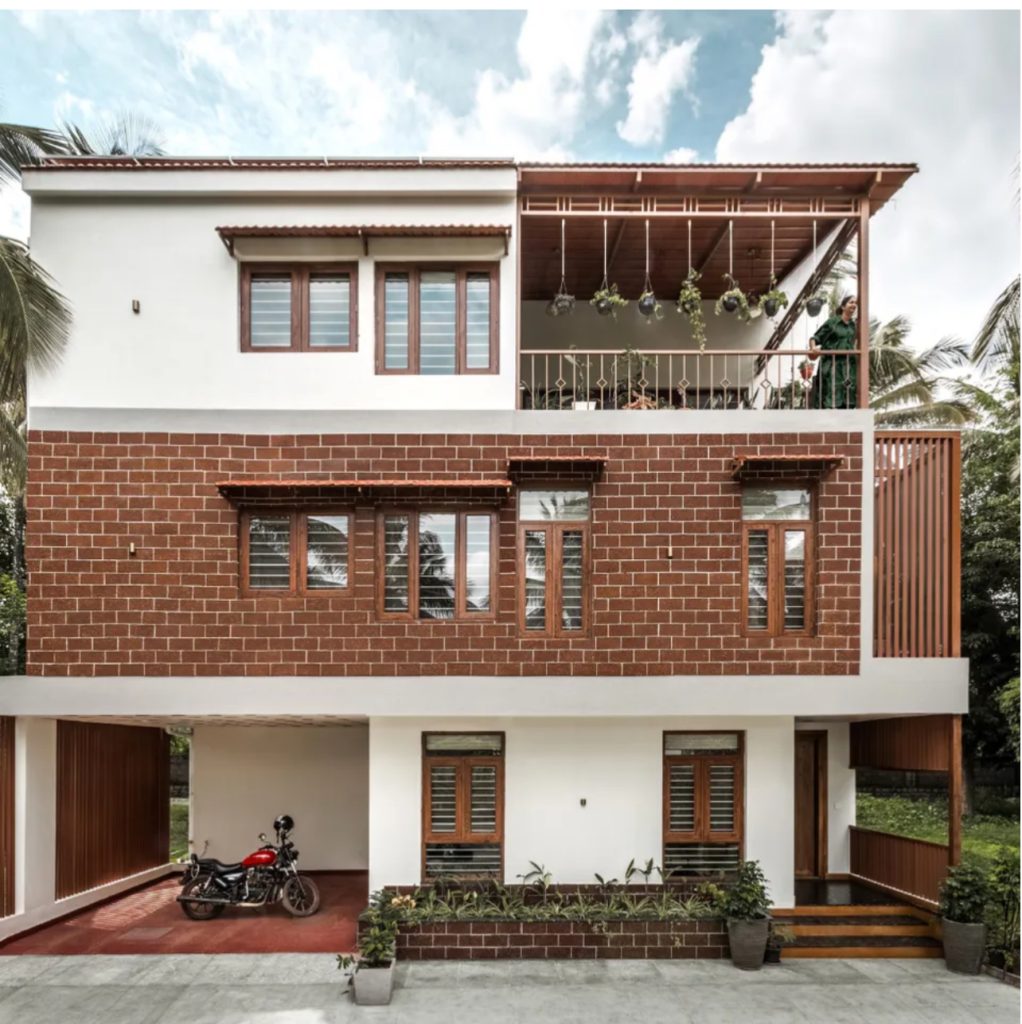

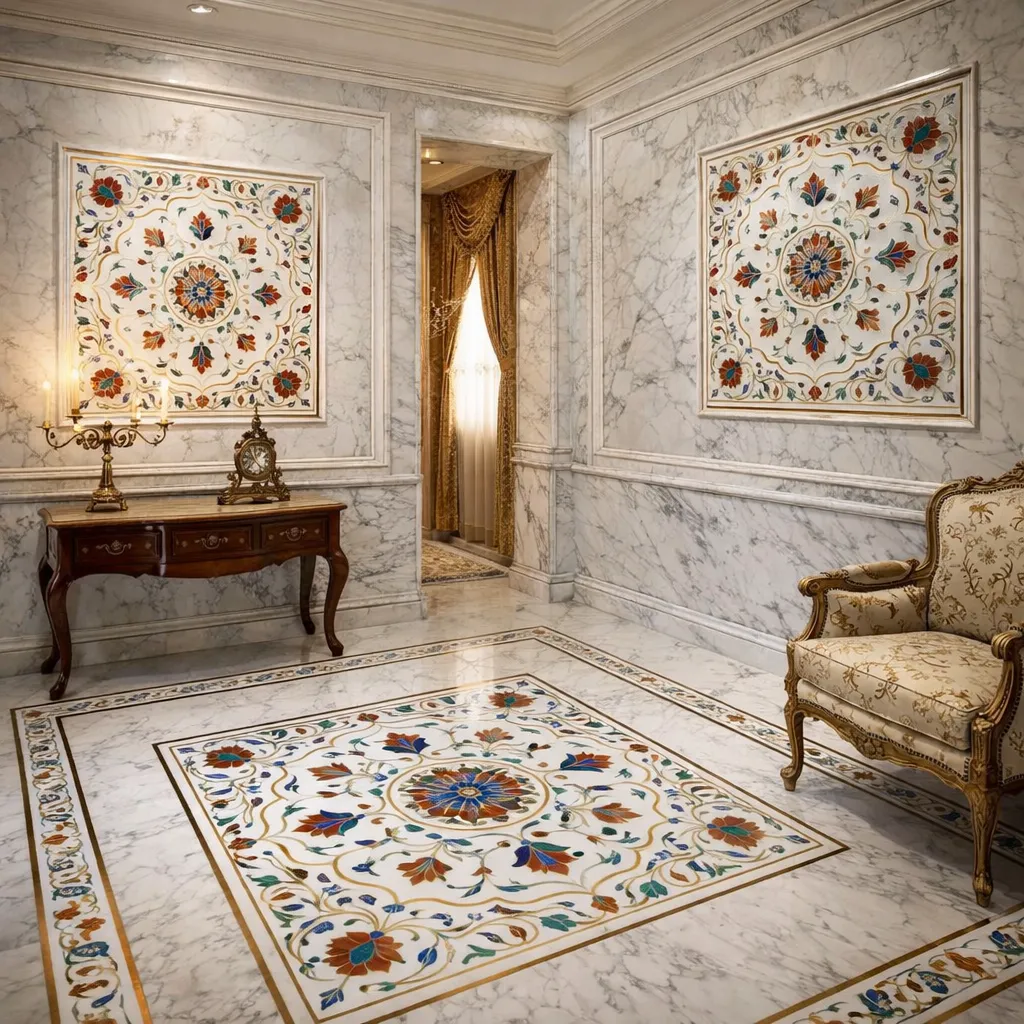
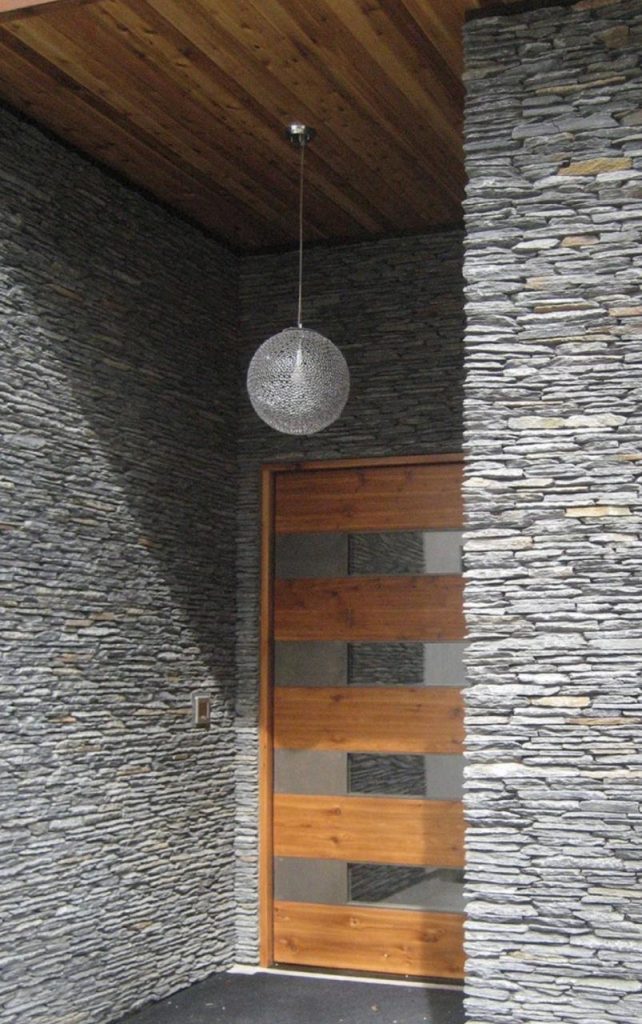
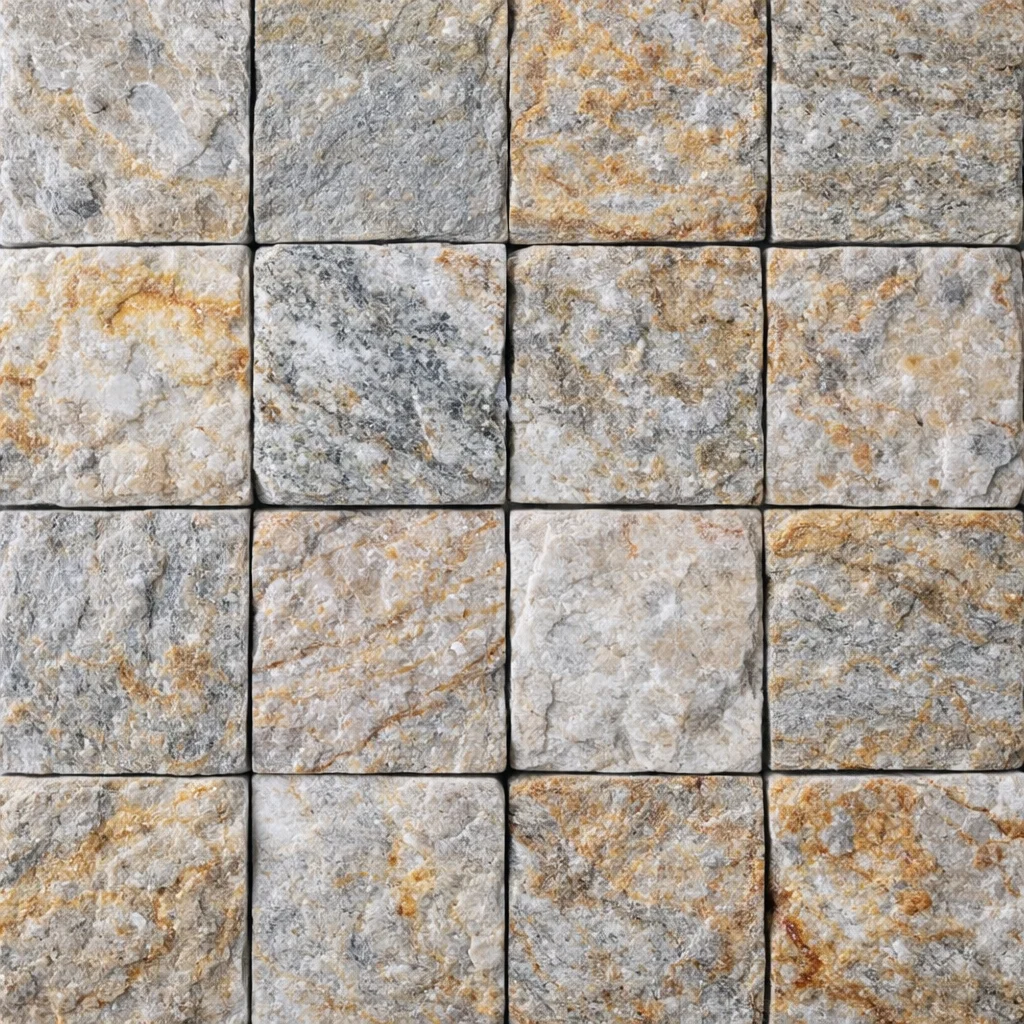

Limestone has a centuries-long history in Indian architecture. The forts of Rajasthan, the temples of South India, and the bungalows of colonial Bangalore all use limestone in various forms. Its appeal endures because limestone offers a combination of qualities few materials match: natural warmth, a subtle matte aesthetic, inherent grip that makes it naturally antiskid, moderate durability, and — in many Indian varieties — very affordable pricing that puts natural stone within reach of homeowners across every budget.
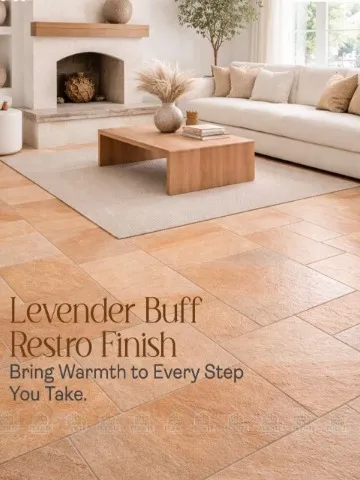
For Bangalore homeowners, limestone offers an earthy, calm aesthetic that stands as a natural counterpoint to the city’s polished vitrified tile-dominant interiors. Interior designers and architects working on heritage, traditional, biophilic, and Mediterranean-inspired projects across Bangalore frequently specify limestone as the defining floor or wall material.
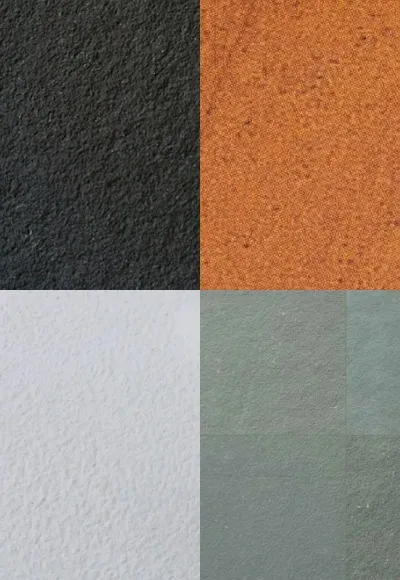
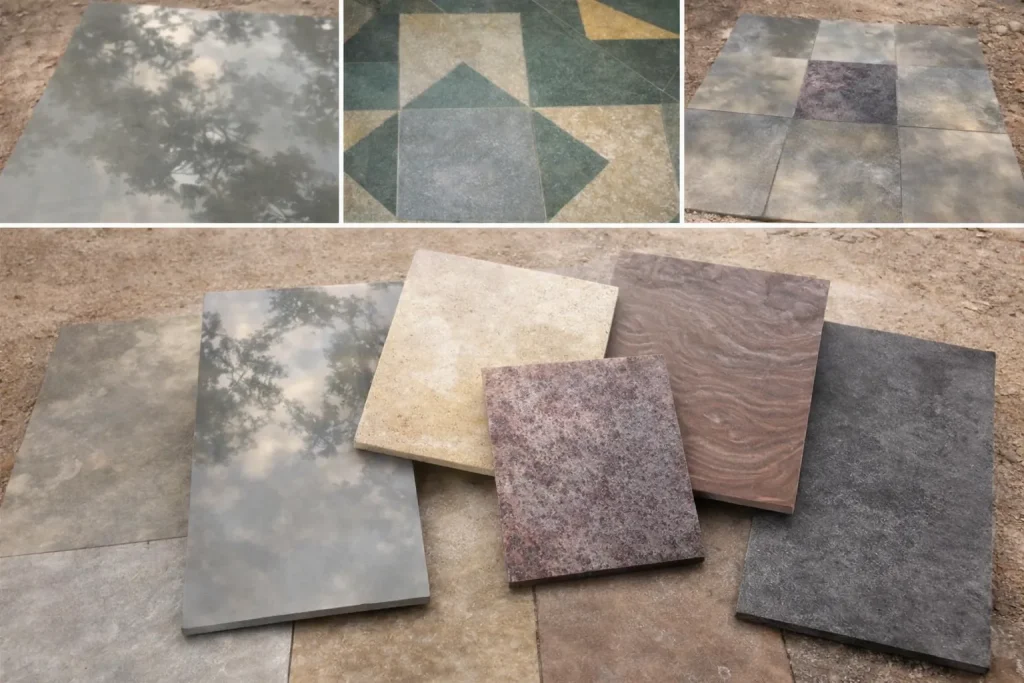
The stone split along its natural cleavage plane. Irregular surface with authentic stone character. Most affordable finish. Best for outdoor use and rustic interiors.
Ground smooth but without gloss. Flat, matte surface. The most popular interior finish — practical, non-glare, naturally comfortable underfoot.
High-gloss surface that reveals the stone’s depth of colour. More formal appearance. Requires more maintenance in wet areas.
A slightly textured, brushed surface with a soft sheen. Contemporary and tactile — increasingly popular for premium residential applications.
A naturally worn, water-polished surface that mimics river stones. Used for decorative and feature applications.
Fine-grained surface texture created by sandblasting. Excellent grip for outdoor and bathroom applications.


Limestone is a natural sedimentary rock made primarily of calcium carbonate. The most popular varieties in Bangalore are Kota stone (blue-grey Rajasthani limestone), Kadappa black (dark Andhra limestone), Tandur yellow and grey (Telangana), and cream beige limestone from Rajasthan. Each variety has distinct colour, texture, and price characteristics.
Limestone prices in Bangalore start from ₹18 per sq ft for basic Kota stone material, and range to ₹600+ per sq ft for imported European limestone. Installed Kota stone flooring costs ₹50–₹80 per sq ft, making it among the most affordable natural stone flooring options available. Contact Maheshwari Impex for current pricing.
Yes — Kota stone is a type of fine-grained limestone quarried near Kota in Rajasthan. It is composed primarily of calcium carbonate and silica. Kota stone is India’s most widely used limestone for flooring due to its durability, natural antiskid properties, and very affordable price.
Yes. Indian limestone varieties — particularly Kota stone and Kadappa — have been used successfully in South India’s climate for generations. Their thermal mass keeps floors naturally cool in summer, and their natural antiskid surface handles monsoon moisture safely. Sealing is recommended to prevent staining and improve longevity.
Yes. Limestone should be sealed with a penetrating natural stone sealant before installation and annually thereafter. Sealing reduces water absorption, prevents staining (turmeric, oil, coffee), and maintains the stone’s colour depth. For kitchen and bathroom applications, food-safe and waterproof sealants are recommended.
Kadappa black limestone is traditionally used for kitchen countertops in South Indian homes — particularly in Bangalore’s heritage and traditional homes. However, limestone is softer than granite and more sensitive to acidic spills (lemon juice, vinegar, tamarind). For modern modular kitchens with heavy use, granite or quartz countertops are more practical.
Granite is an igneous rock — much harder (Mohs 6–7) than limestone (Mohs 3–4). Granite is more resistant to scratching, staining, and acid. Limestone has a softer, more matte aesthetic and is typically more affordable. Granite is preferred for countertops and high-traffic flooring; limestone is preferred for traditional flooring, cladding, and applications where a calm, natural aesthetic is prioritised over maximum hardness.